
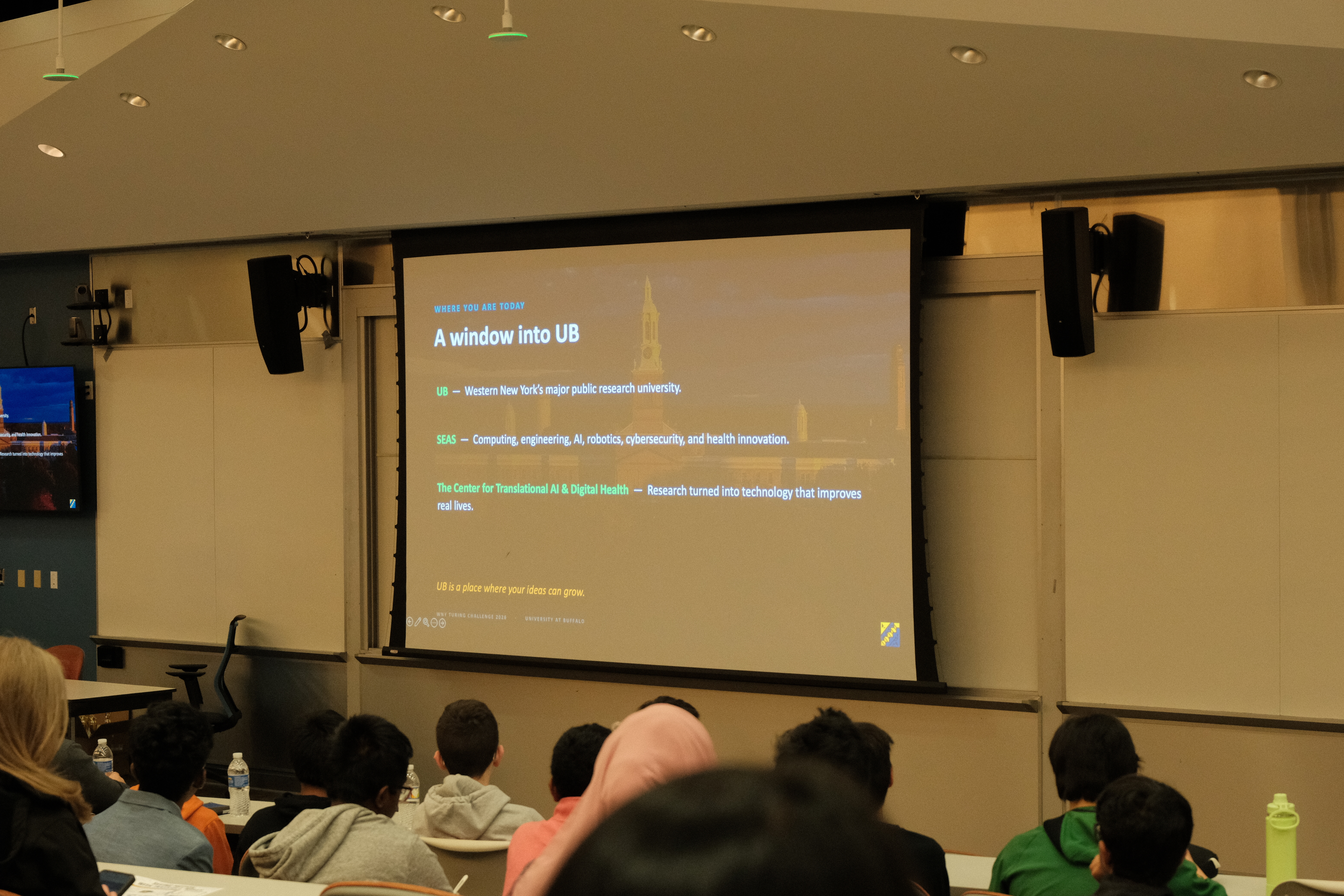
Buffalo, N.Y., May 23, 2026 — The 2026 WNY Turing Challenge wrapped up its competition season with a Showcase Day on May 23 at the University at Buffalo, bringing together student teams, parents, mentors, faculty researchers, and industry guests for a full day of presentations, demonstrations, and recognition. The event was hosted jointly by UB's Department of Computer Science and Engineering and the Center for Translational AI and Digital Health, and is formerly known as CS4HS.
Competition Overview
This year's challenge drew 33 teams of middle and high school students competing across six categories: Software, Apps & Games; AI & Intelligent Systems; Computing Research; Cybersecurity; Creative Computing; and IoT & Robotics. Submissions came from schools across Western New York — including Casey and Transit Middle Schools, Allendale Columbia, Canisius, Williamsville North and East, and West Seneca Christian — as well as international remote entries from Al Ghail School for Boys in the United Arab Emirates and the M-PESA Foundation Academy in Kenya.
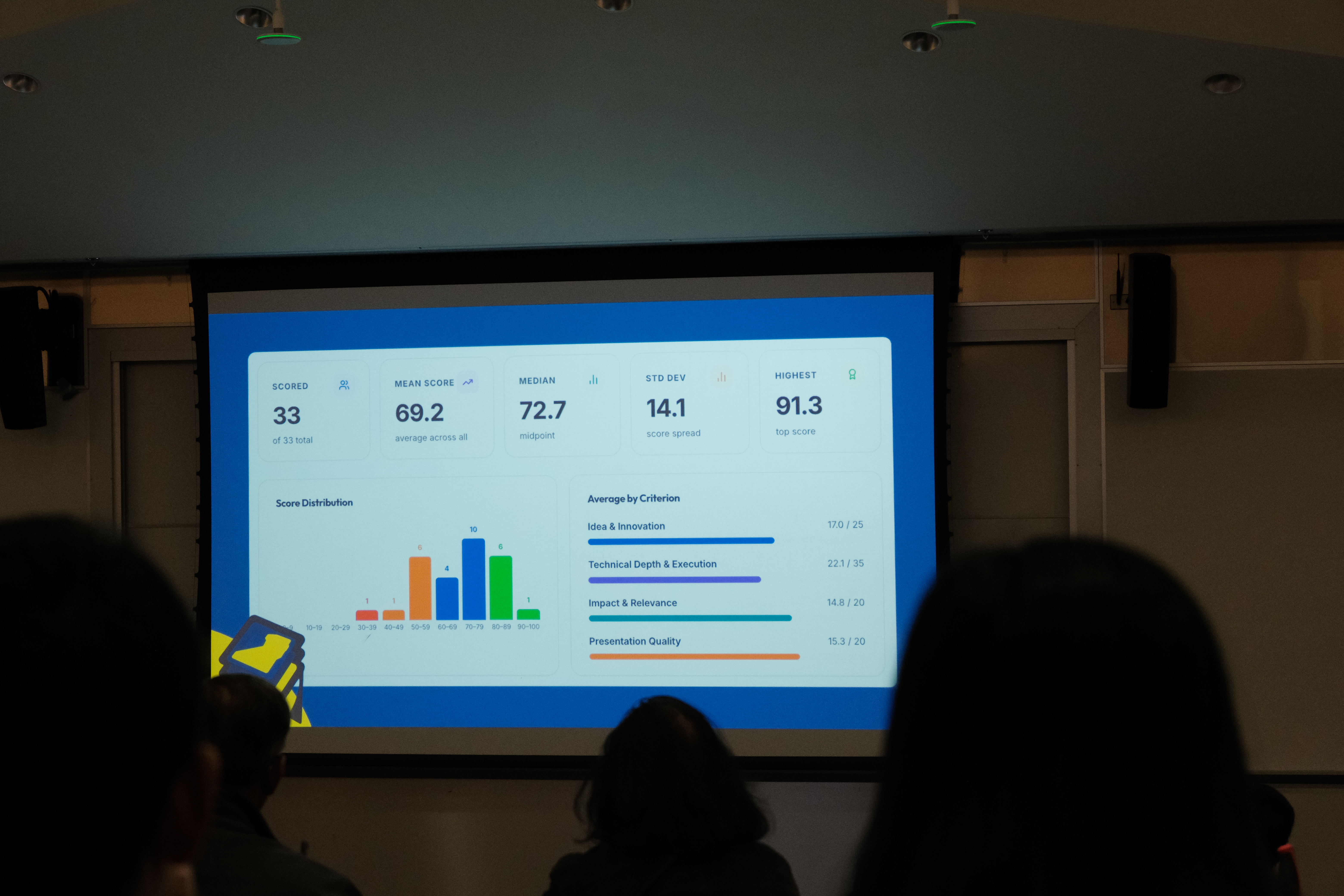
Projects were evaluated against rubric covering innovation, technical depth, impact, and presentation. Scores averaged 69.2 with a median of 72.7; the top project earned a 91.3. Software, Apps & Games and AI & Intelligent Systems were the largest and highest-performing categories, both averaging in the mid-70s.
Showcase Day
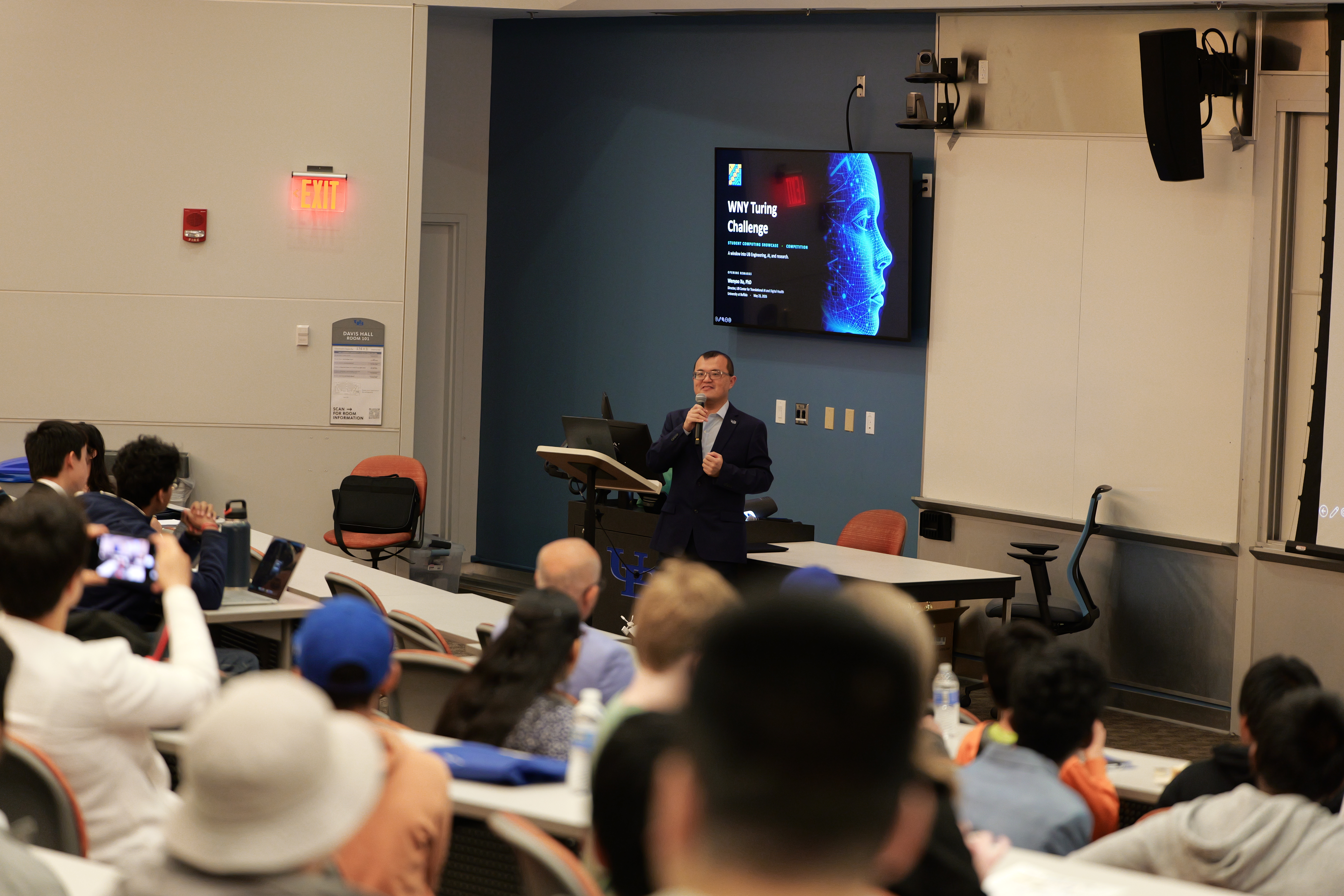
Showcase Day opened with a keynote by Dr. Wenyao Xu, Professor and Director of the Center for Translational AI and Digital Health, who outlined the challenge's mission and its evolution from the CS4HS program.
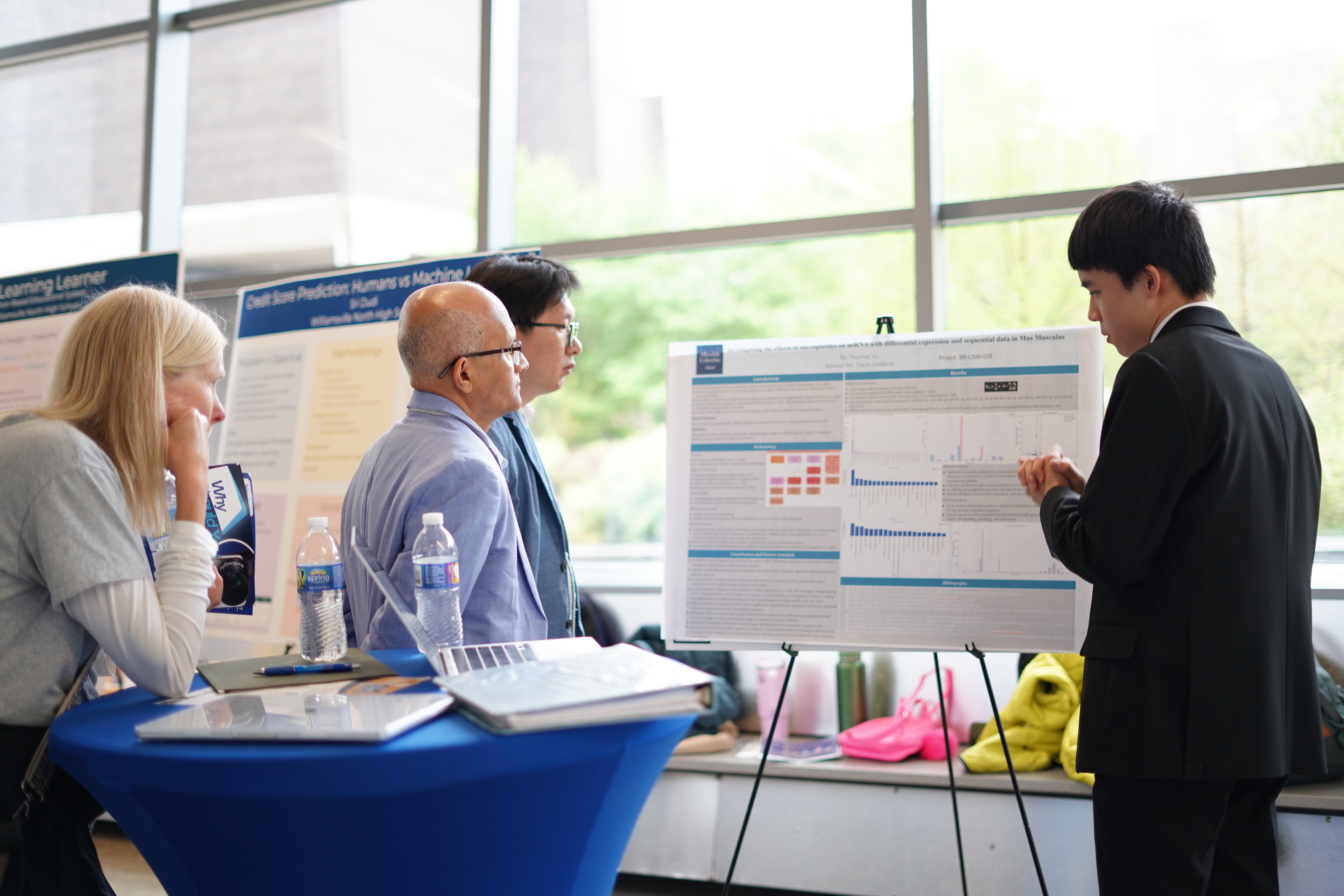
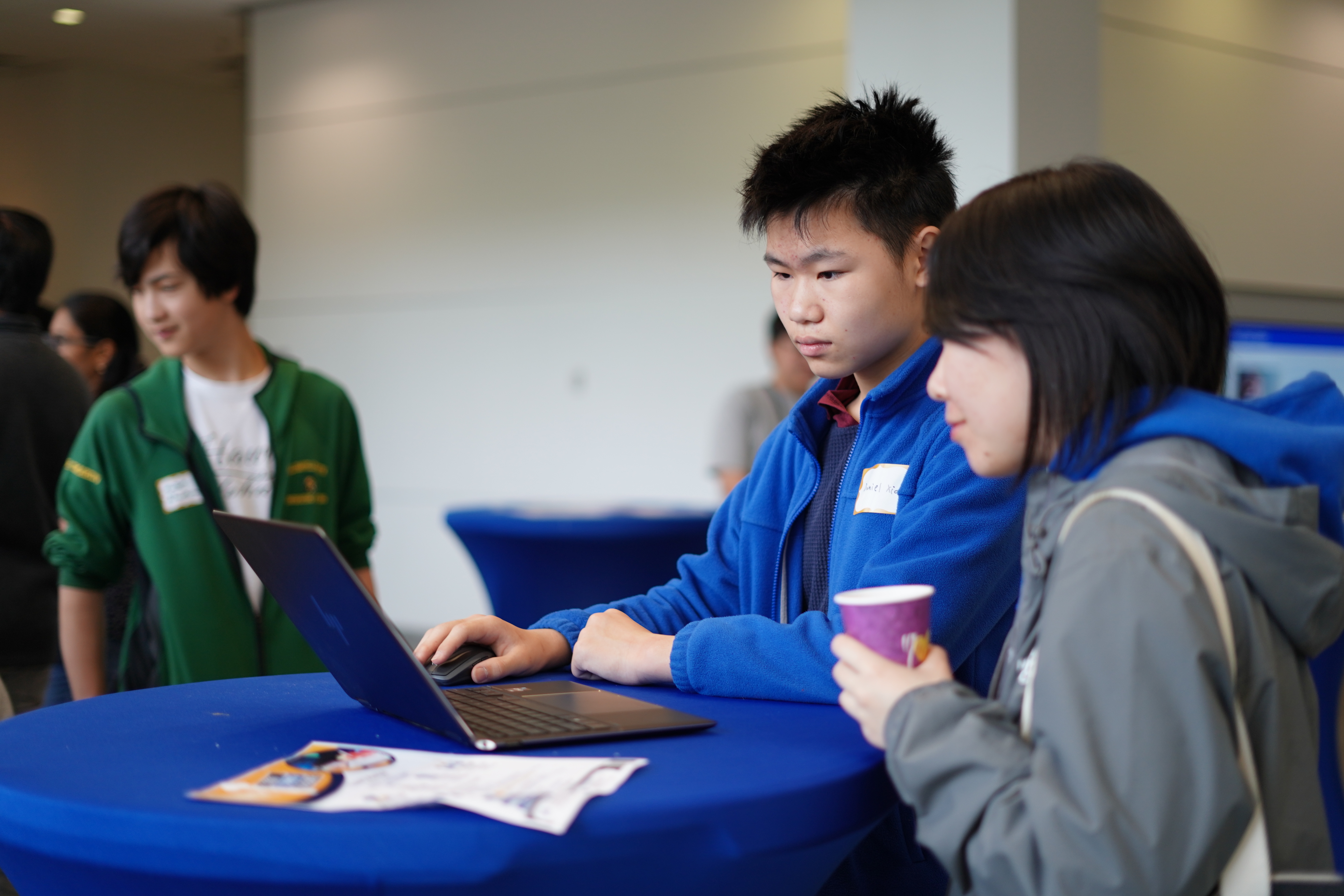
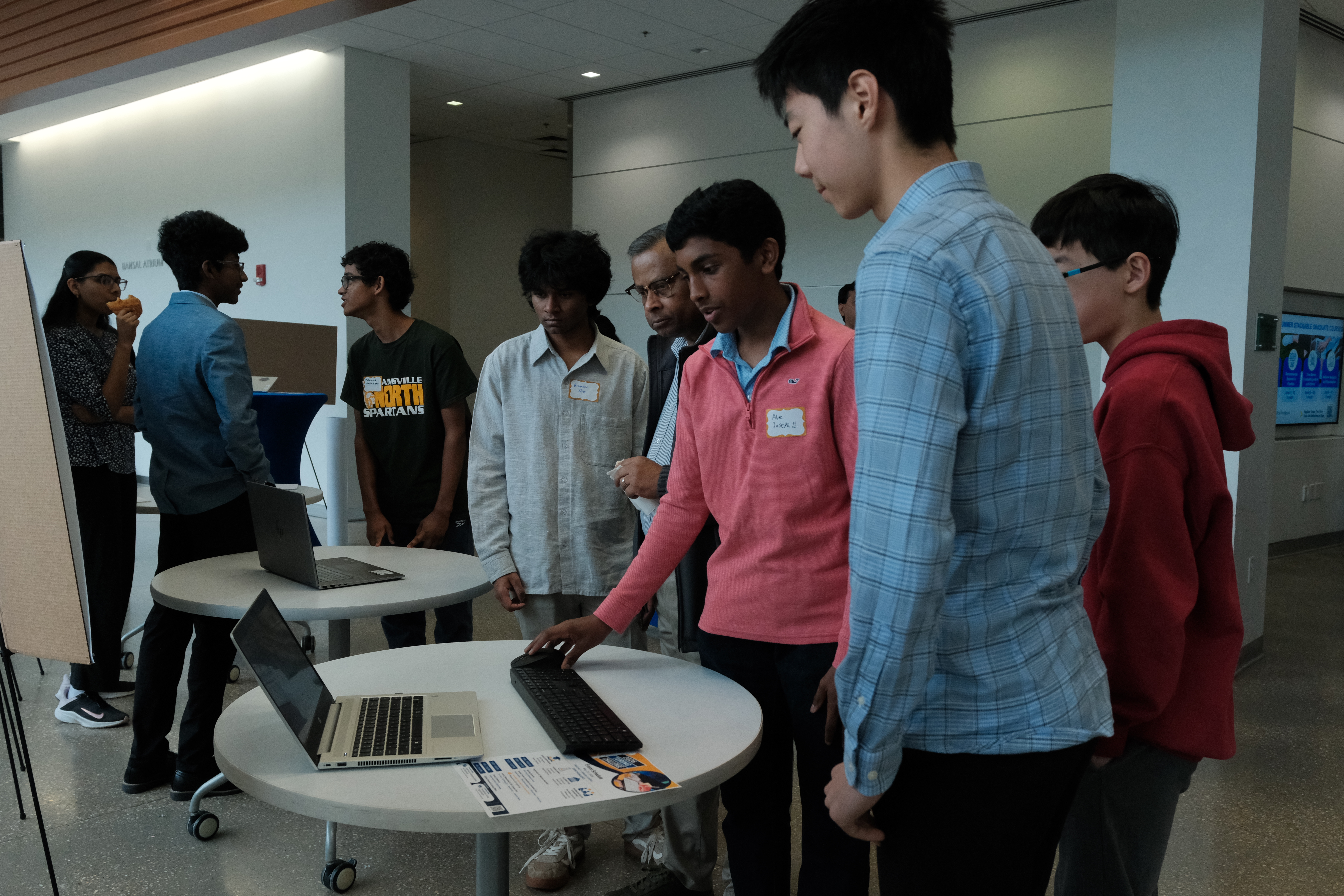
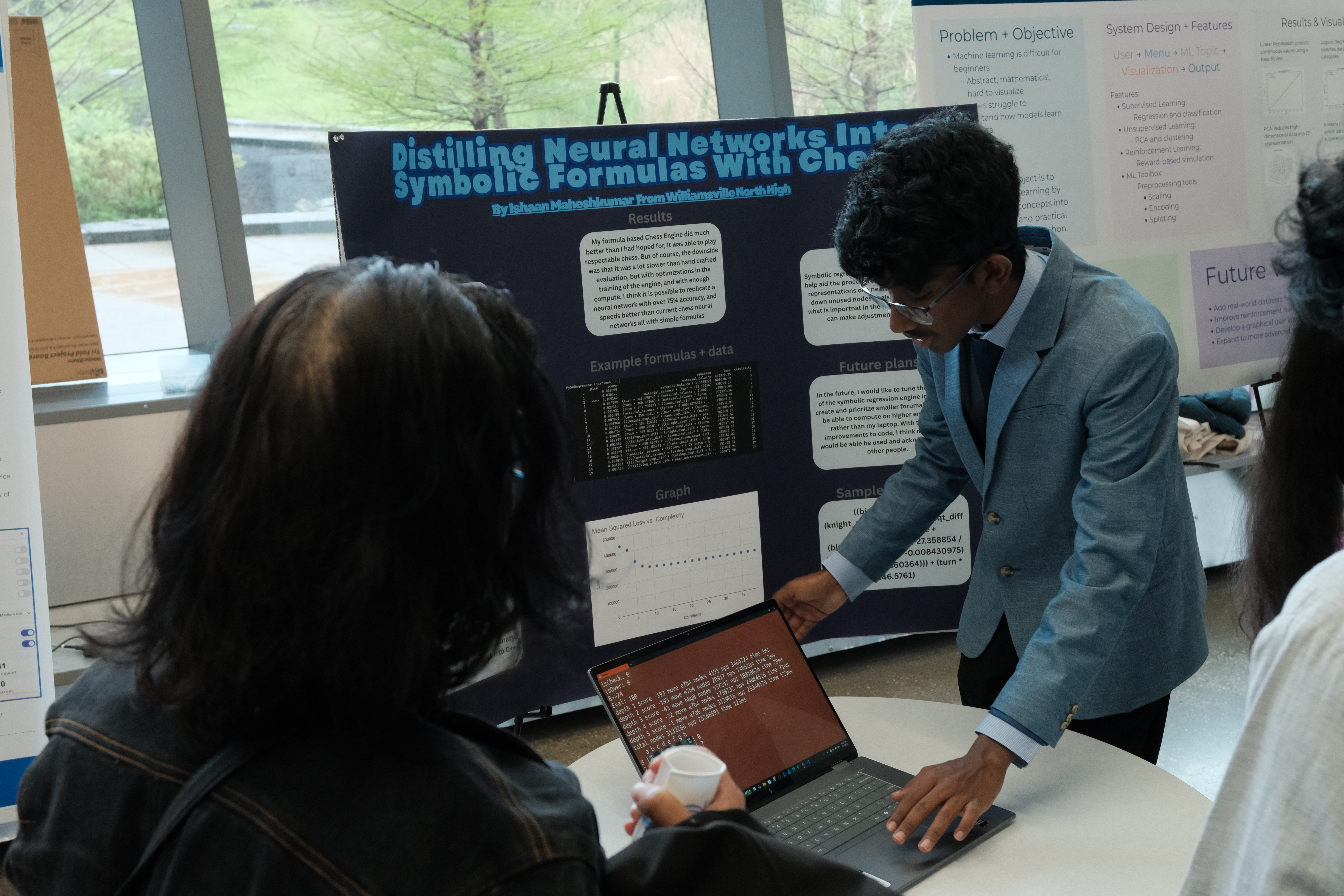
The Student Poster Competition and Academic Expo ran through the morning, with middle and high school teams presenting their projects before a panel of judges, peers, and visiting professionals for live evaluation and recognition. The expo floor also featured research demonstrations from UB faculty and graduate students, putting students in direct conversation with working researchers and offering a firsthand look at how scientific inquiry moves from the lab into the world, an approach that sits at the core of the Center's mission in translational AI and digital health. Representatives from the School of Engineering and Applied Sciences were available to speak with students about SEAS programs, academic pathways, and pre-college opportunities available at UB.
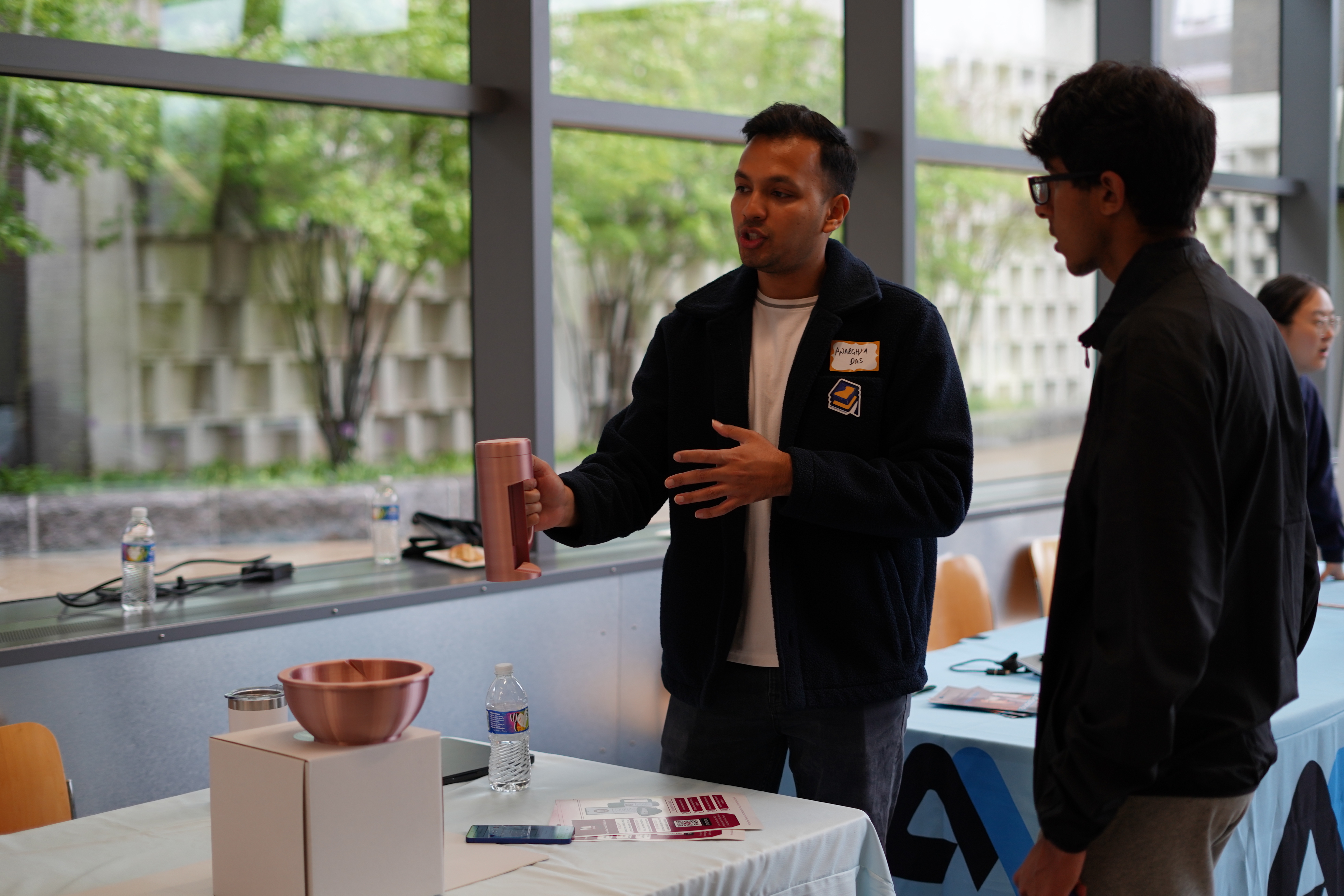
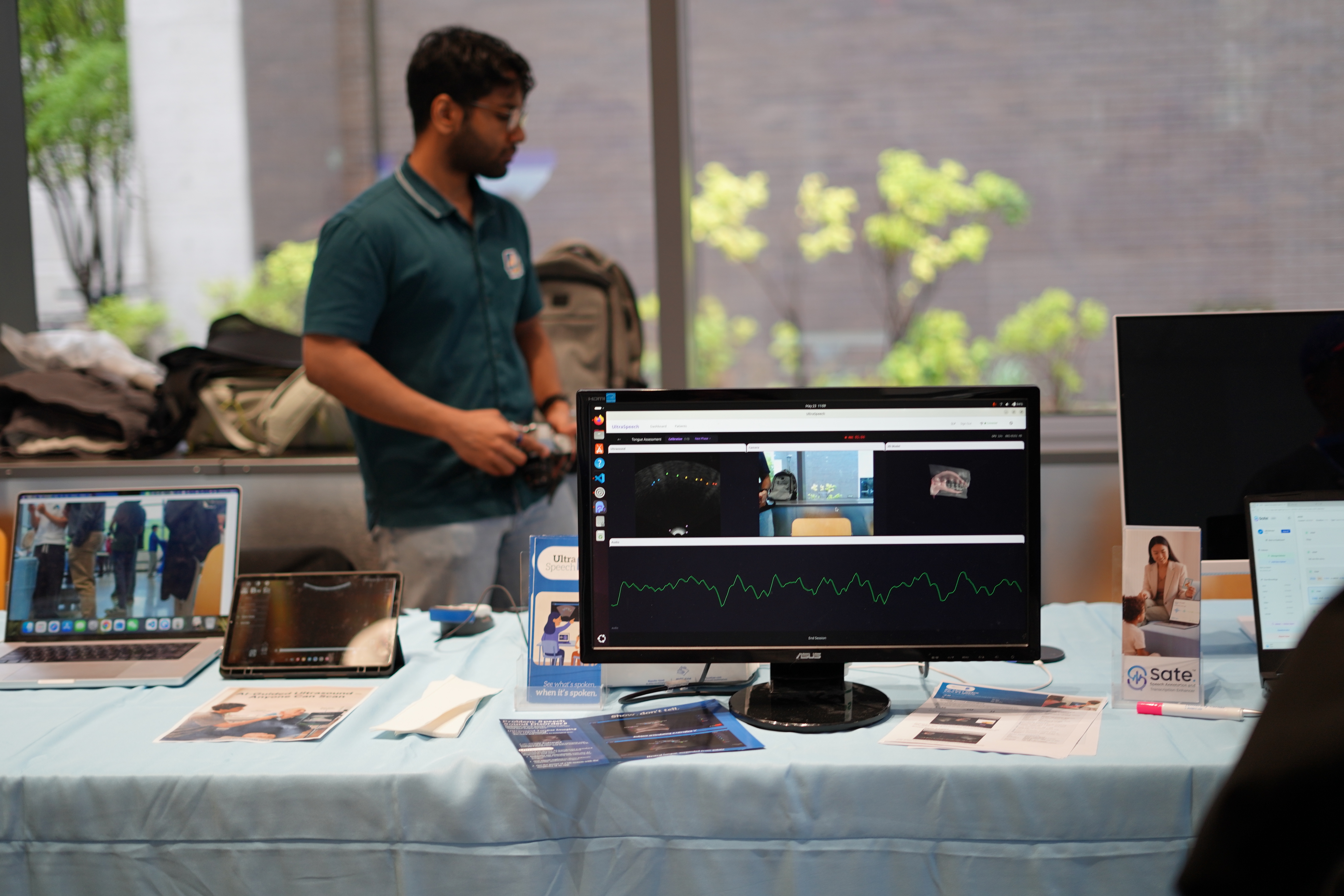
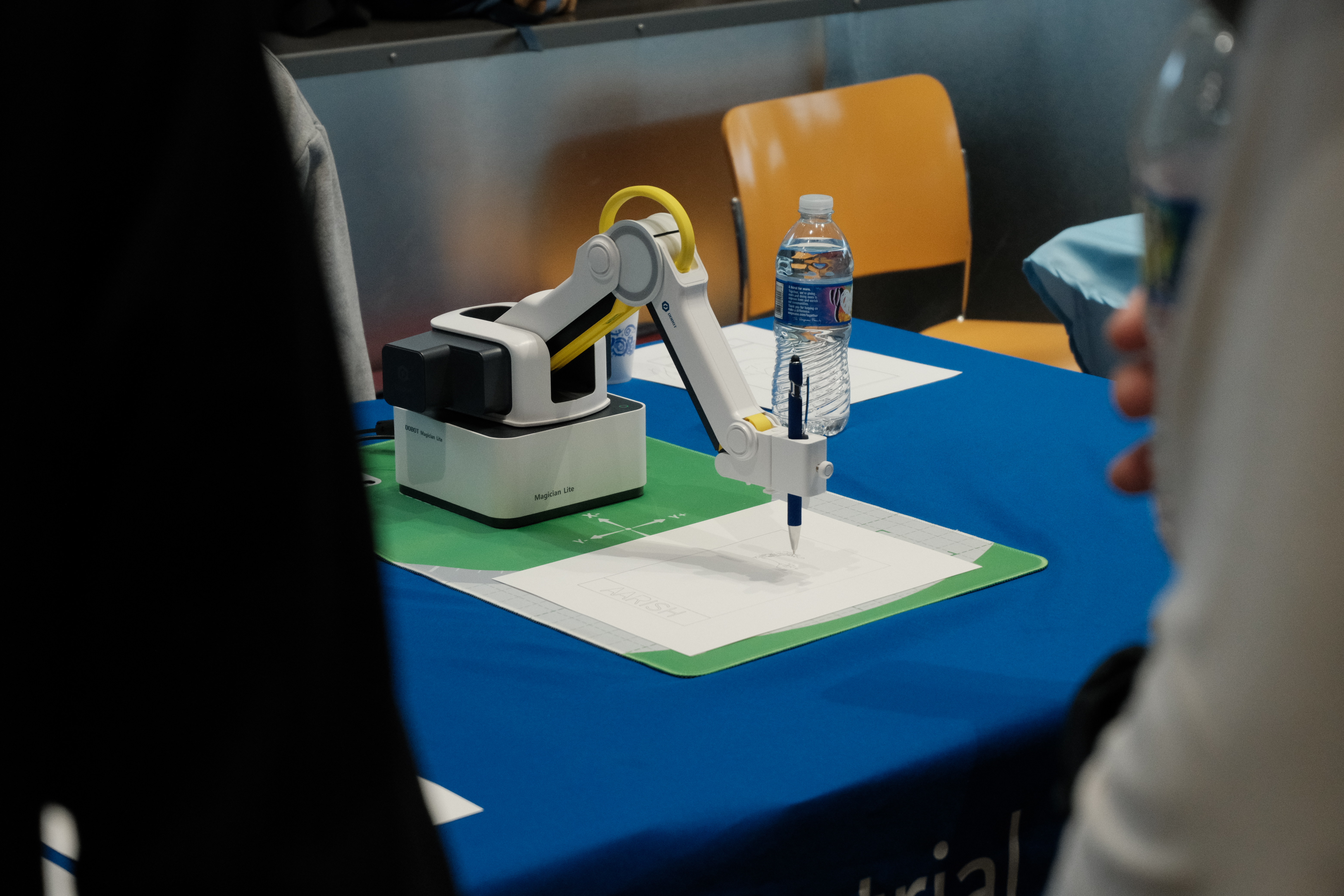
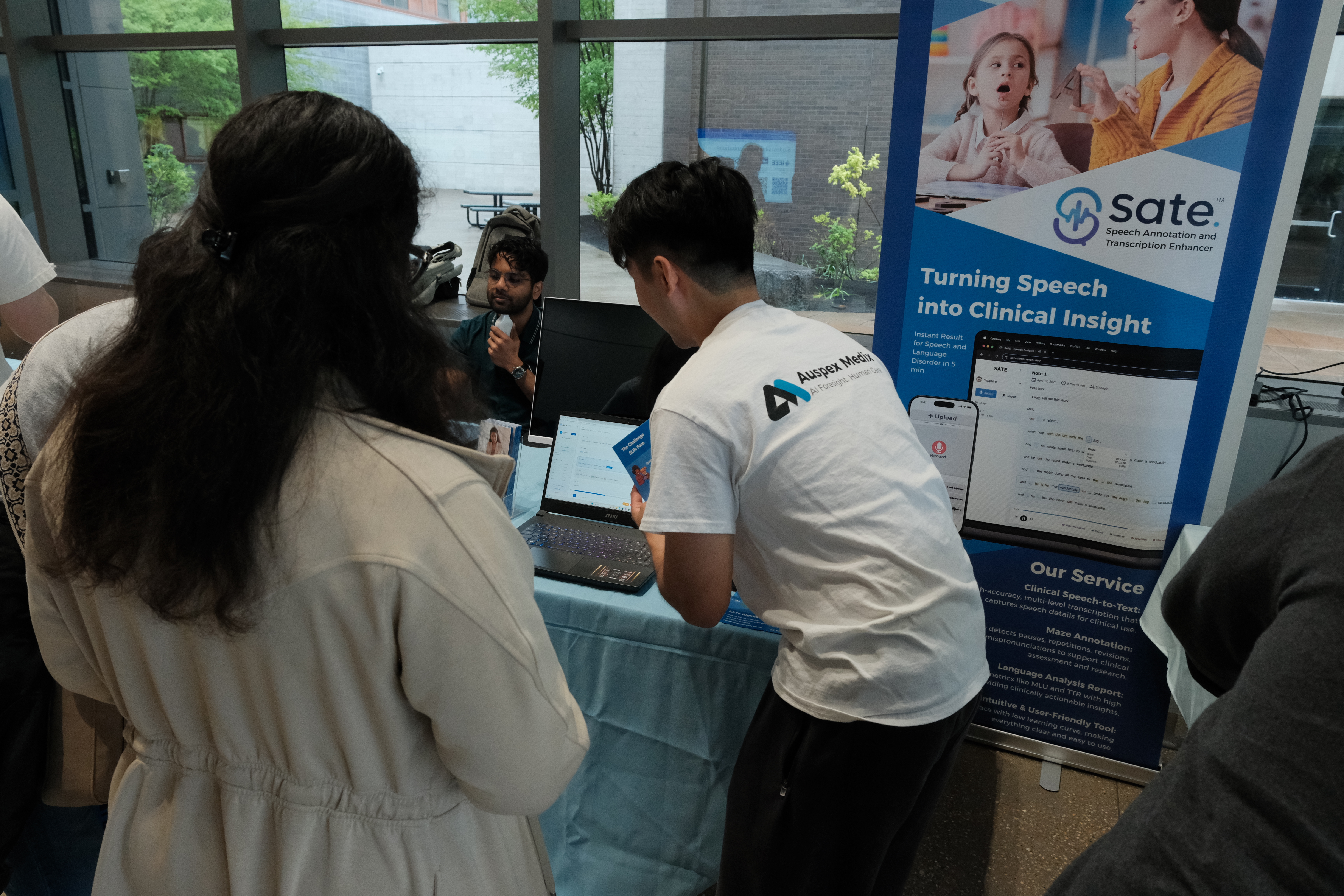
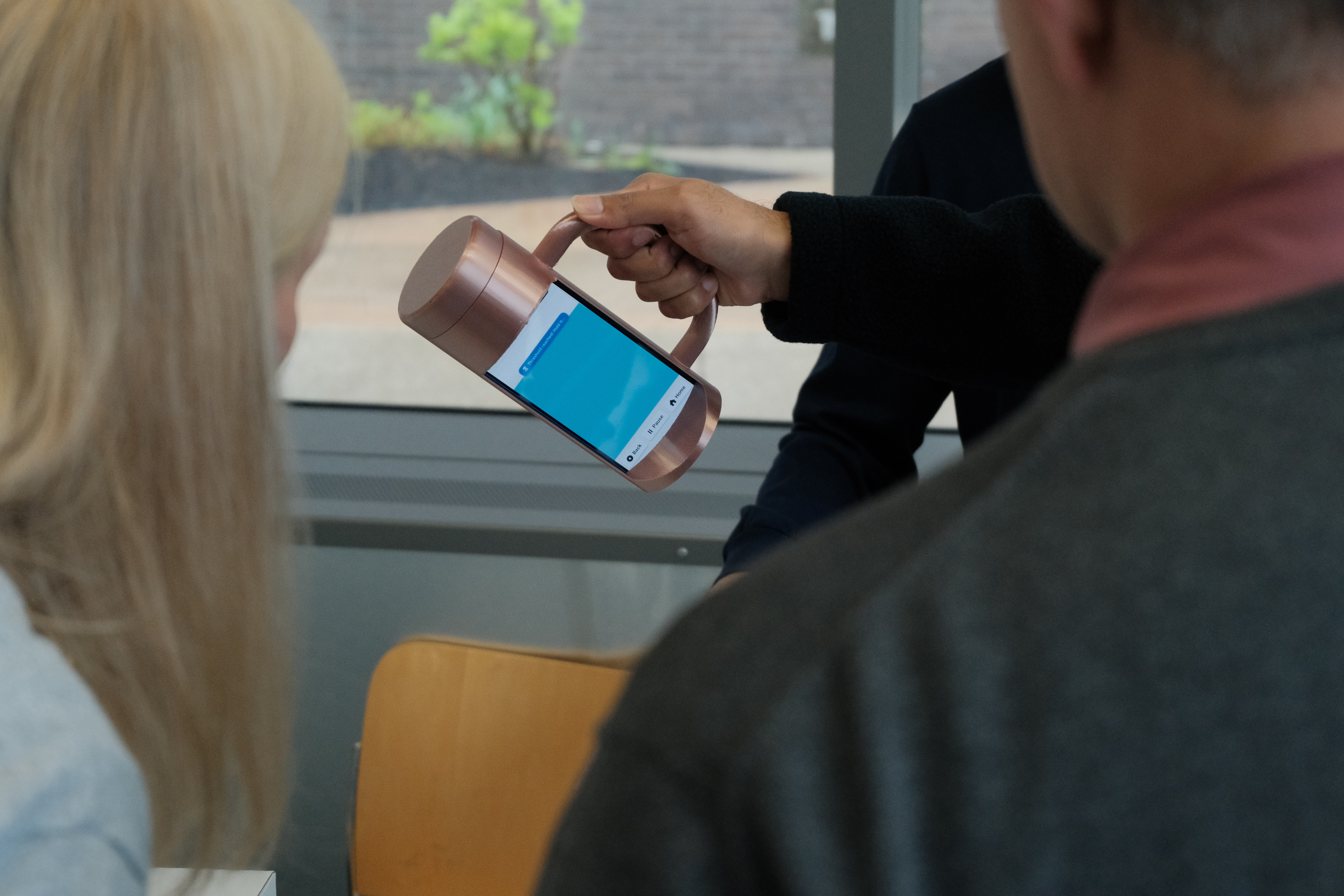
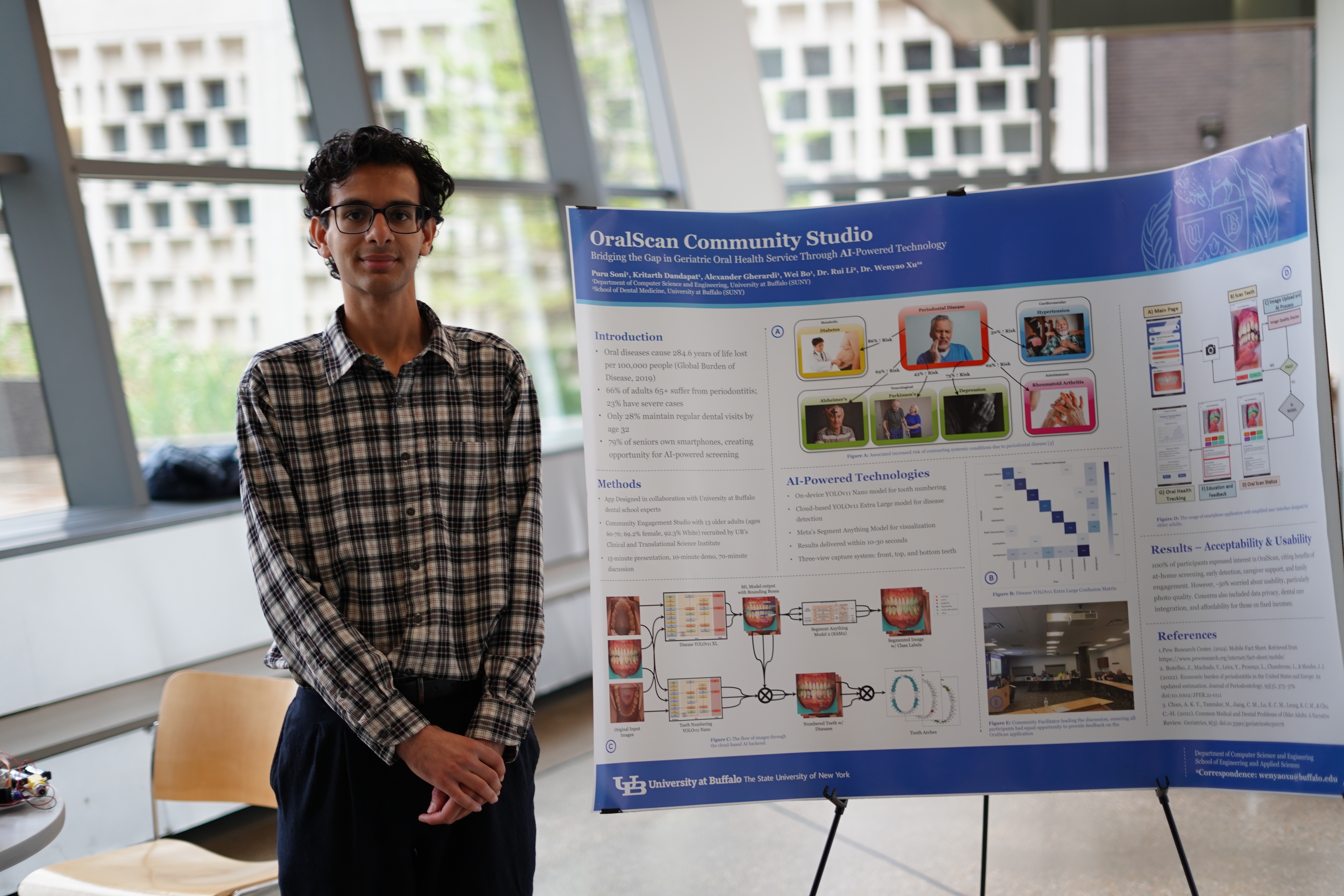
Several of the Center's research labs also took part, opening their workspaces so students could see the real projects currently underway and hear directly from the researchers about what they're building, how it works, and why it matters.
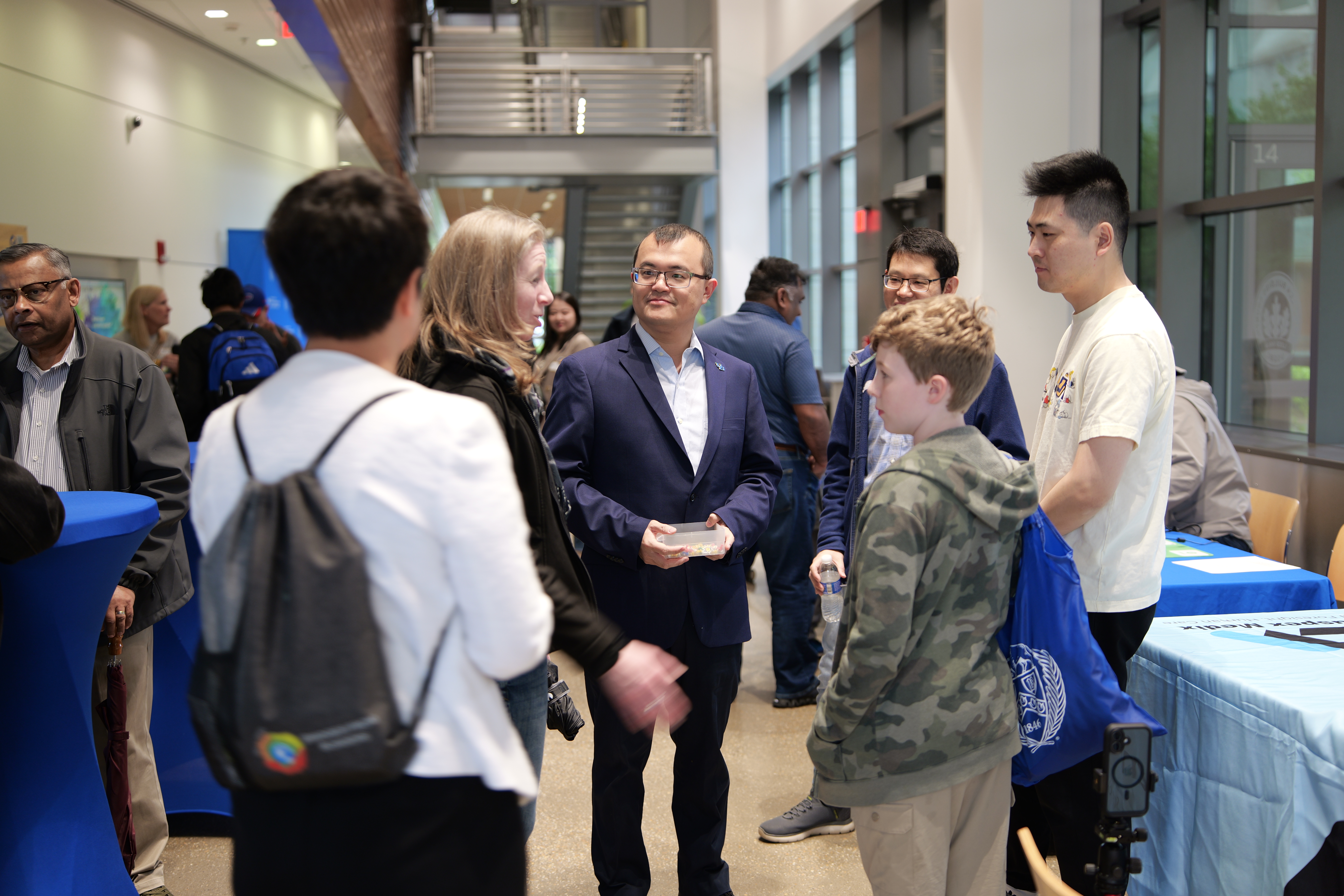
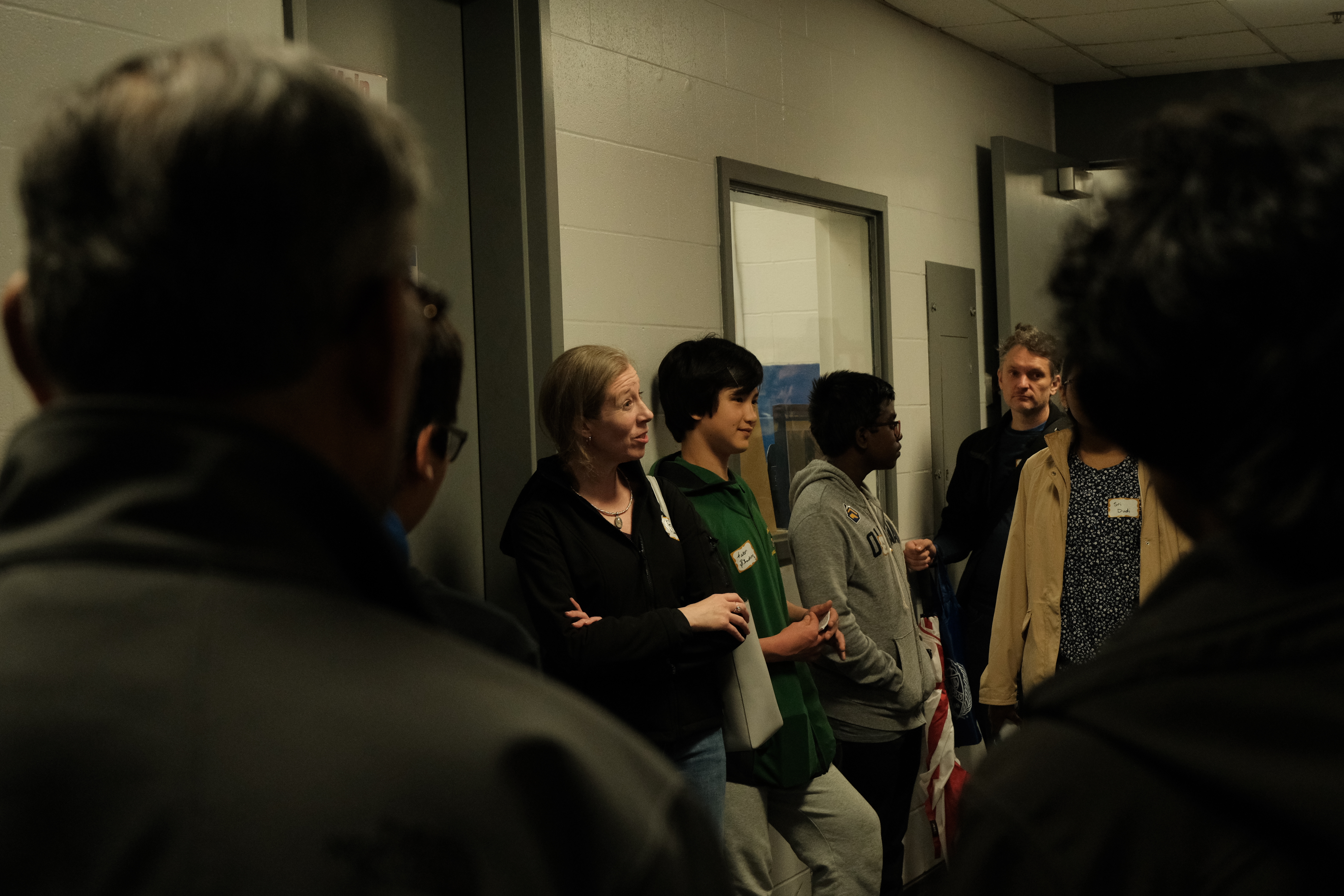
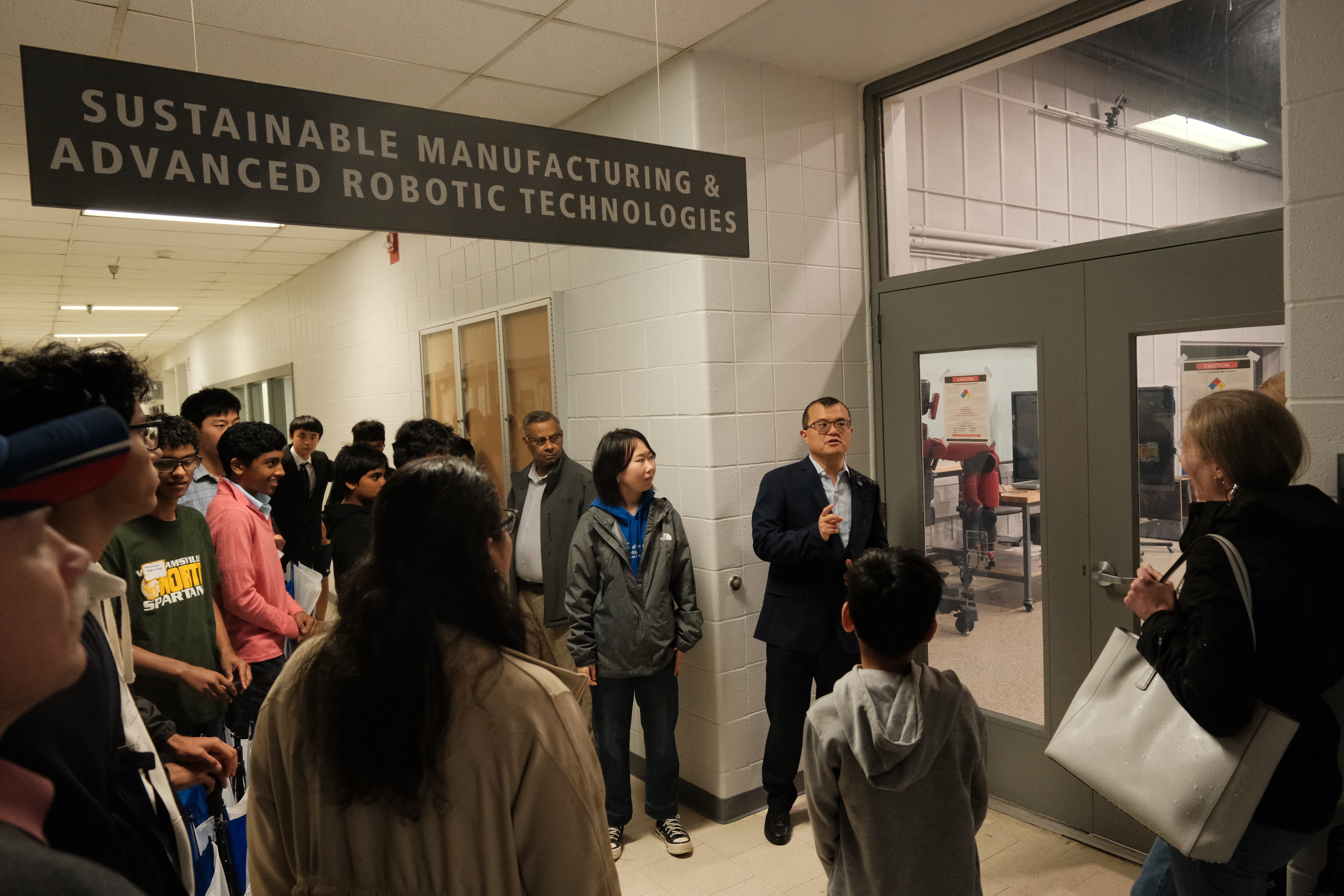
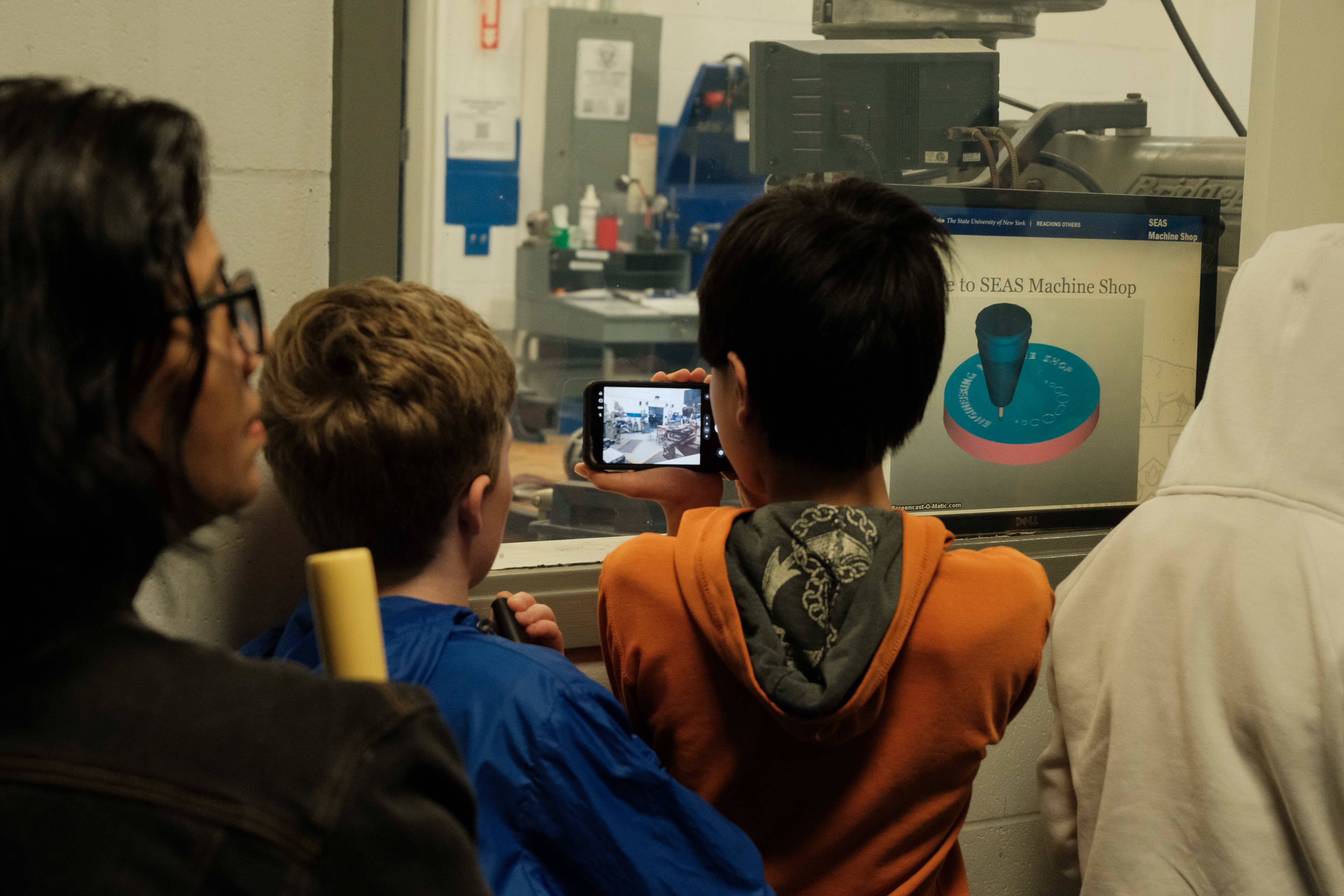
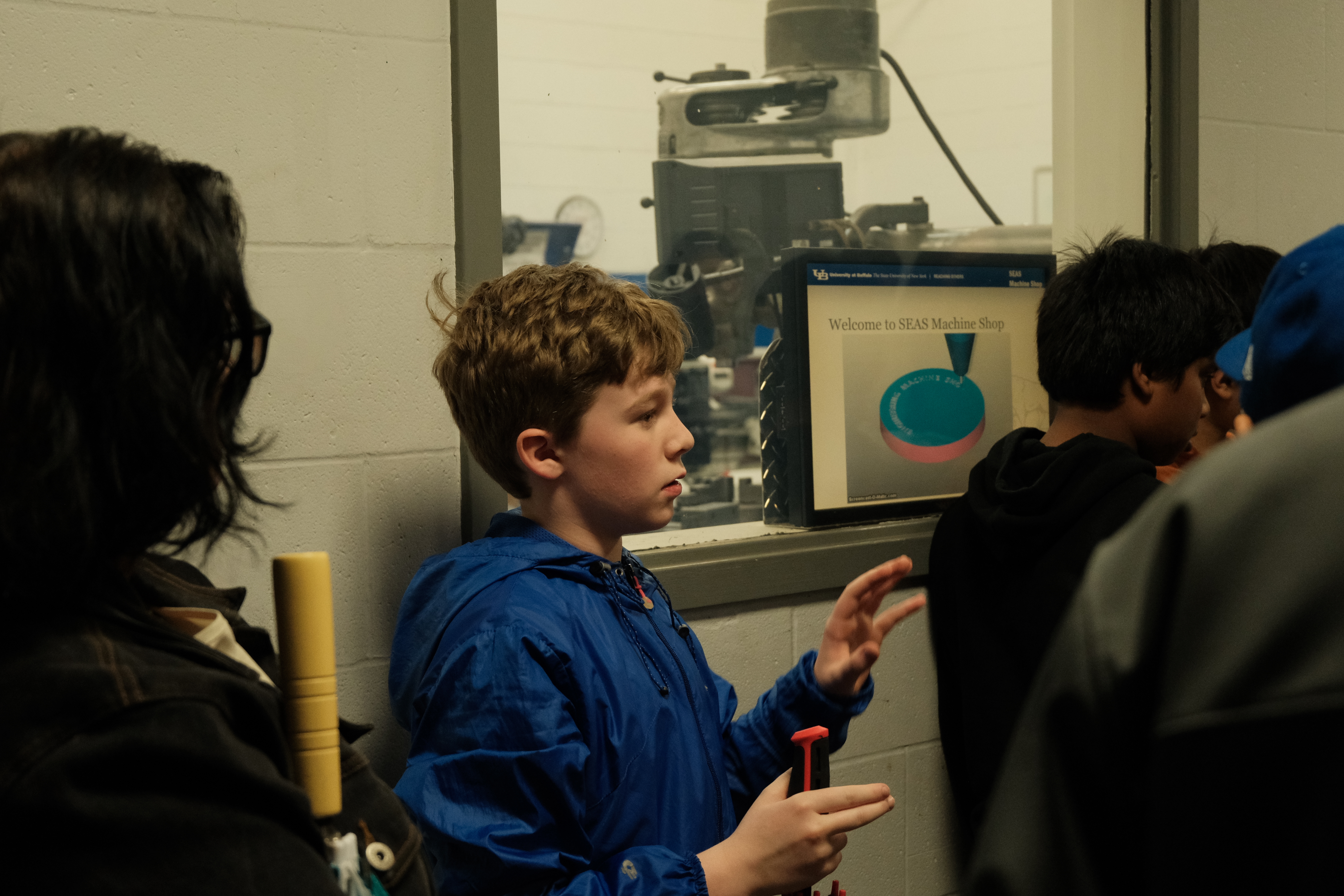
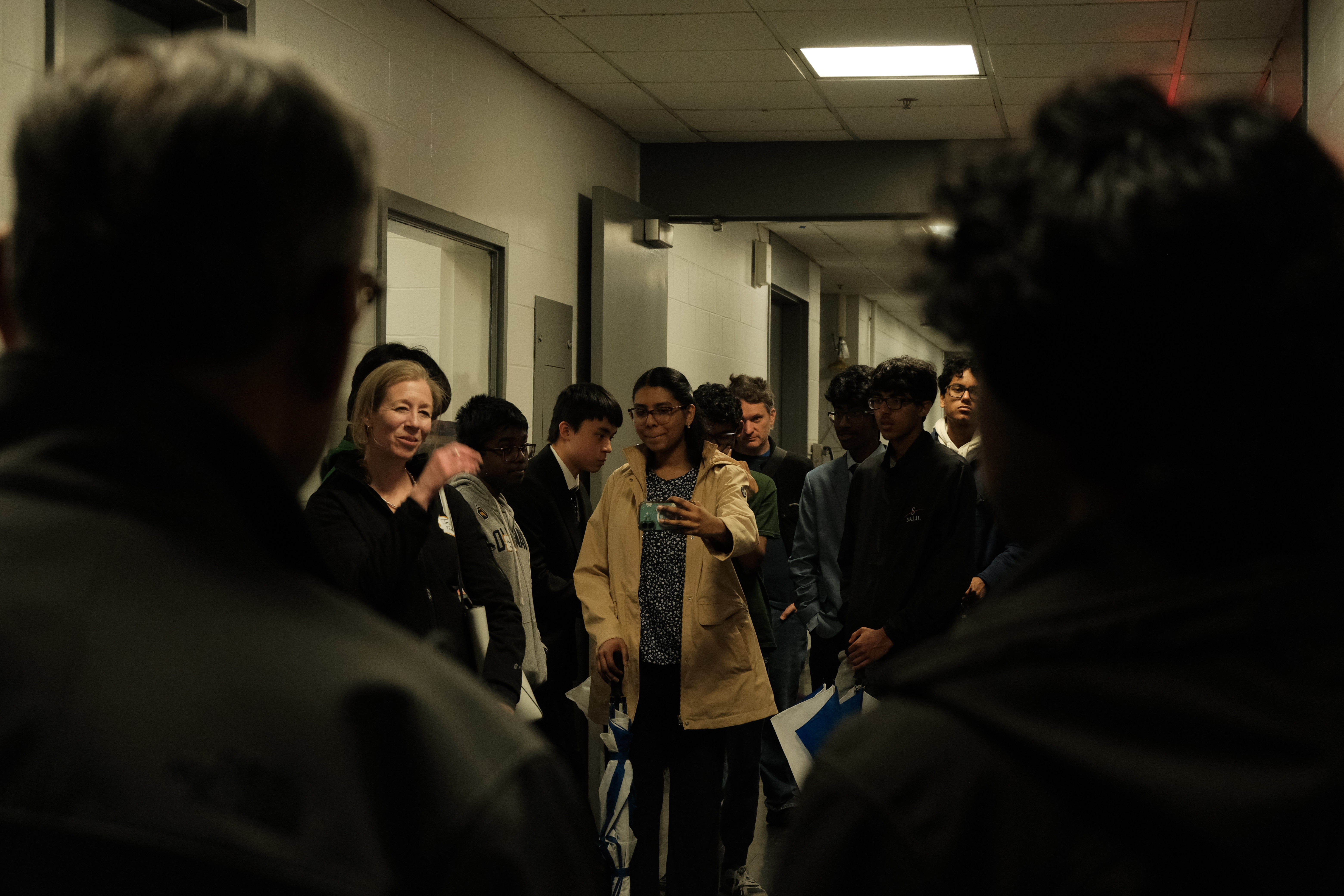
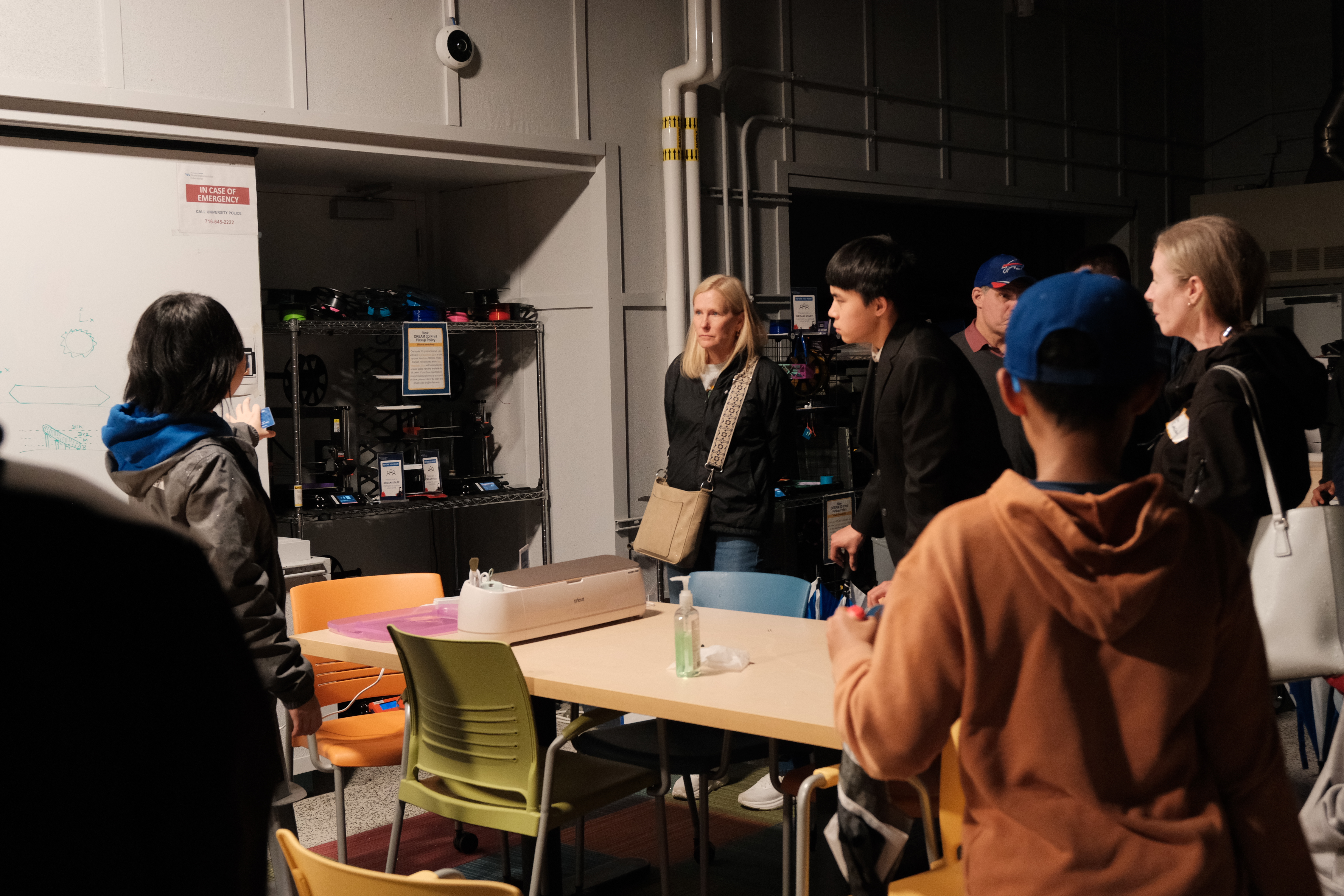
A highlight of the day was the guided UB Campus Tour, which took students through the university's 3D Printing Lab, research laboratories, and innovation spaces. Graduate students and faculty led the tour, walking attendees through active research projects and fielding questions about academic and career pathways in computing and engineering. For many participants, it was their first visit to a university research environment.
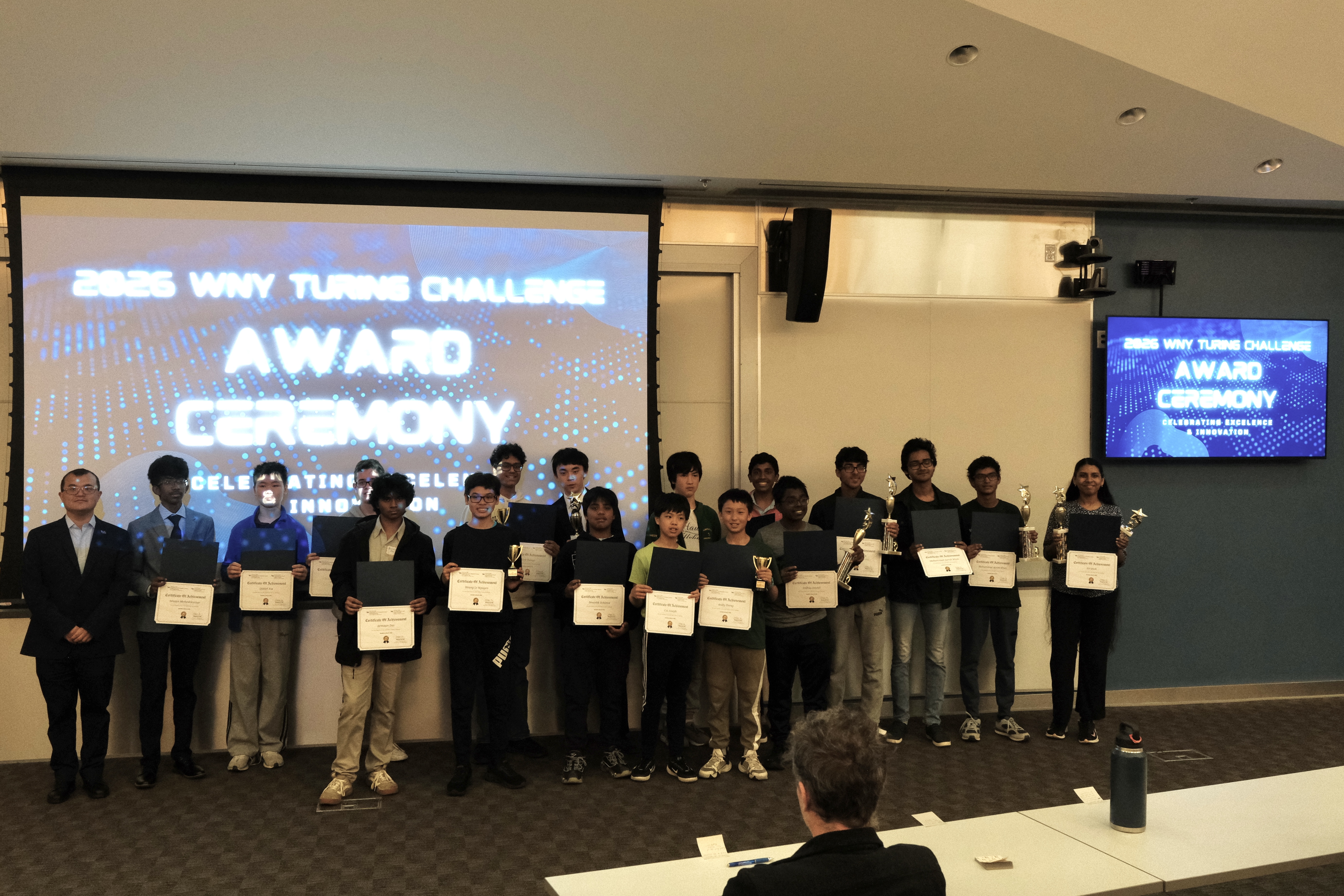
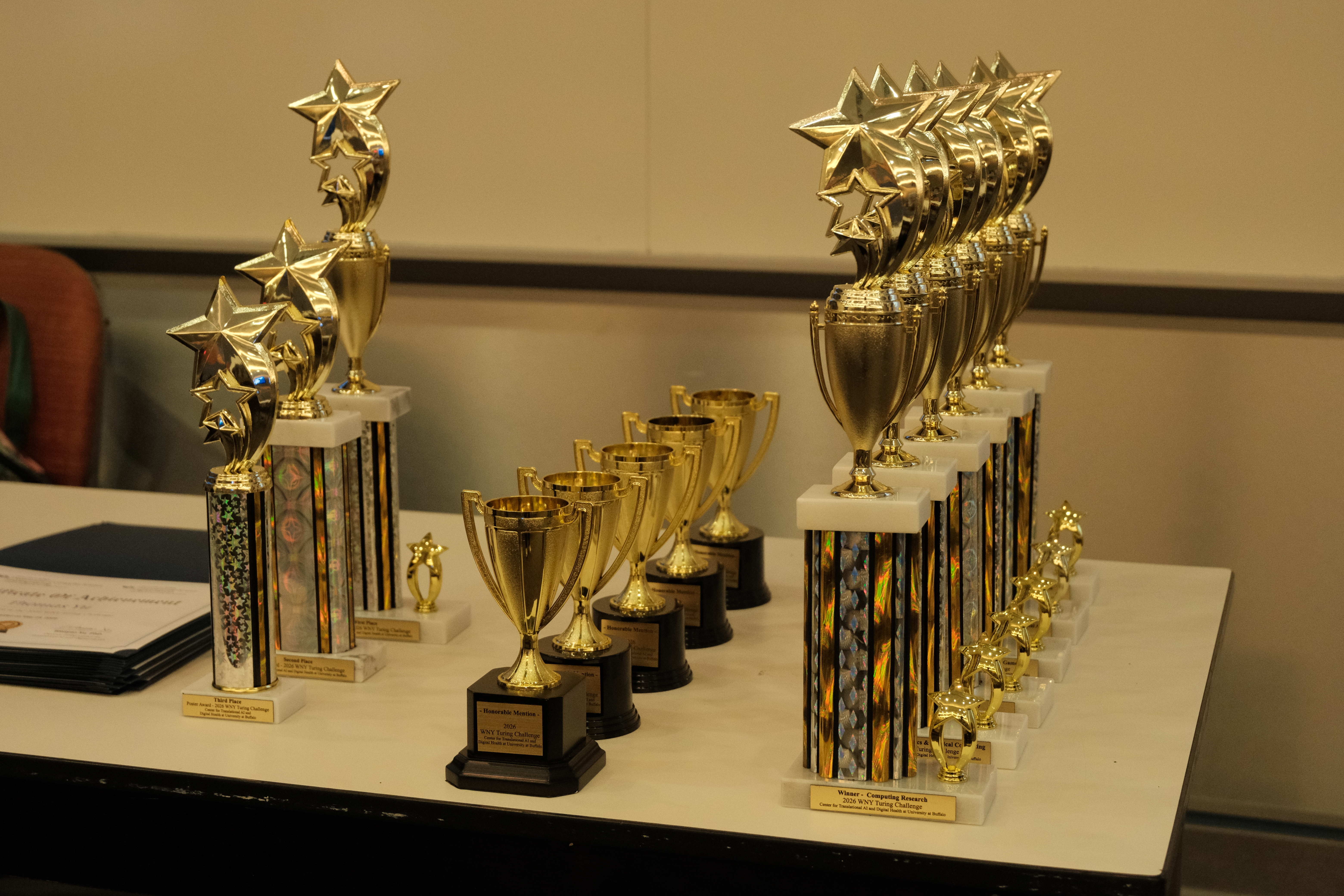
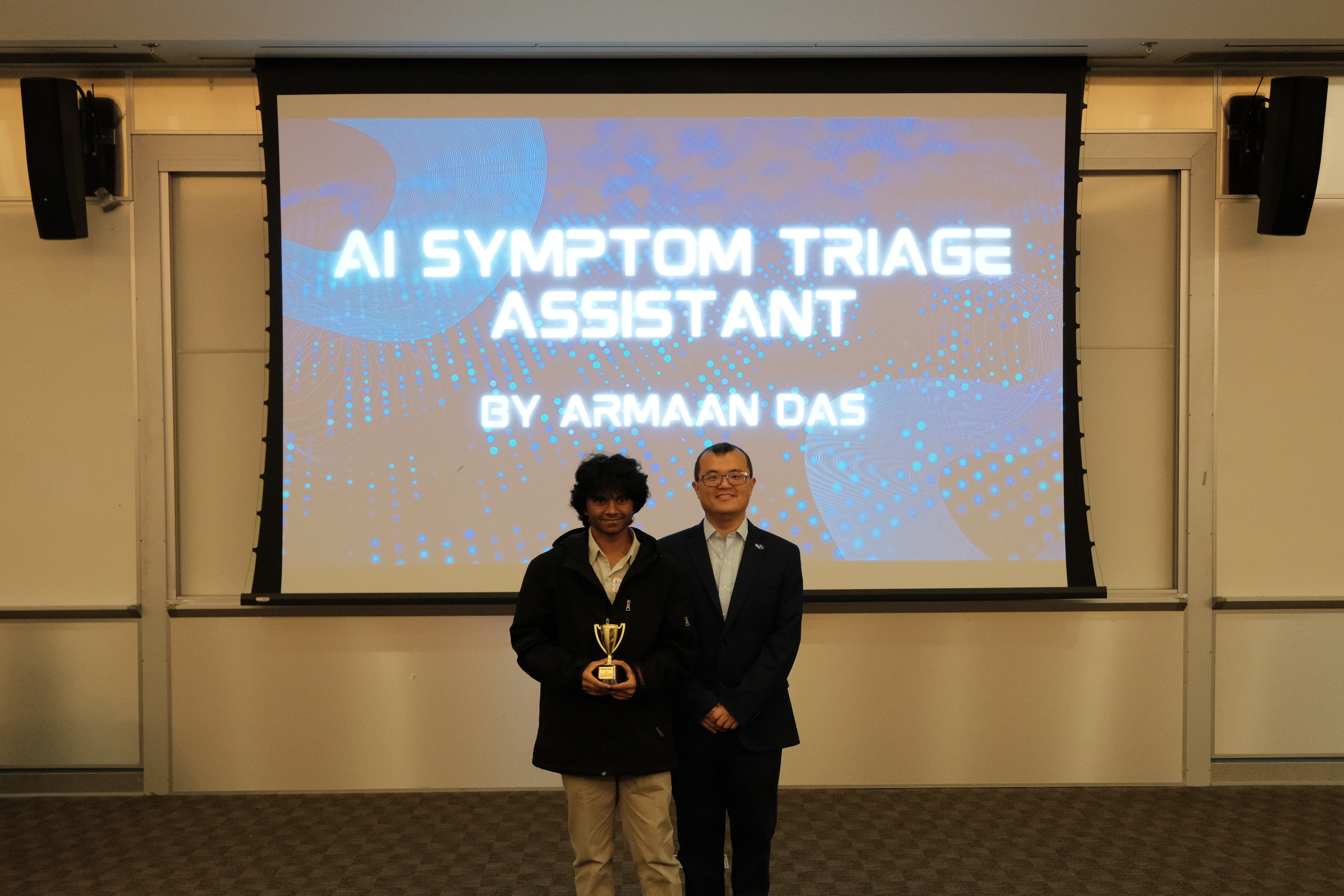
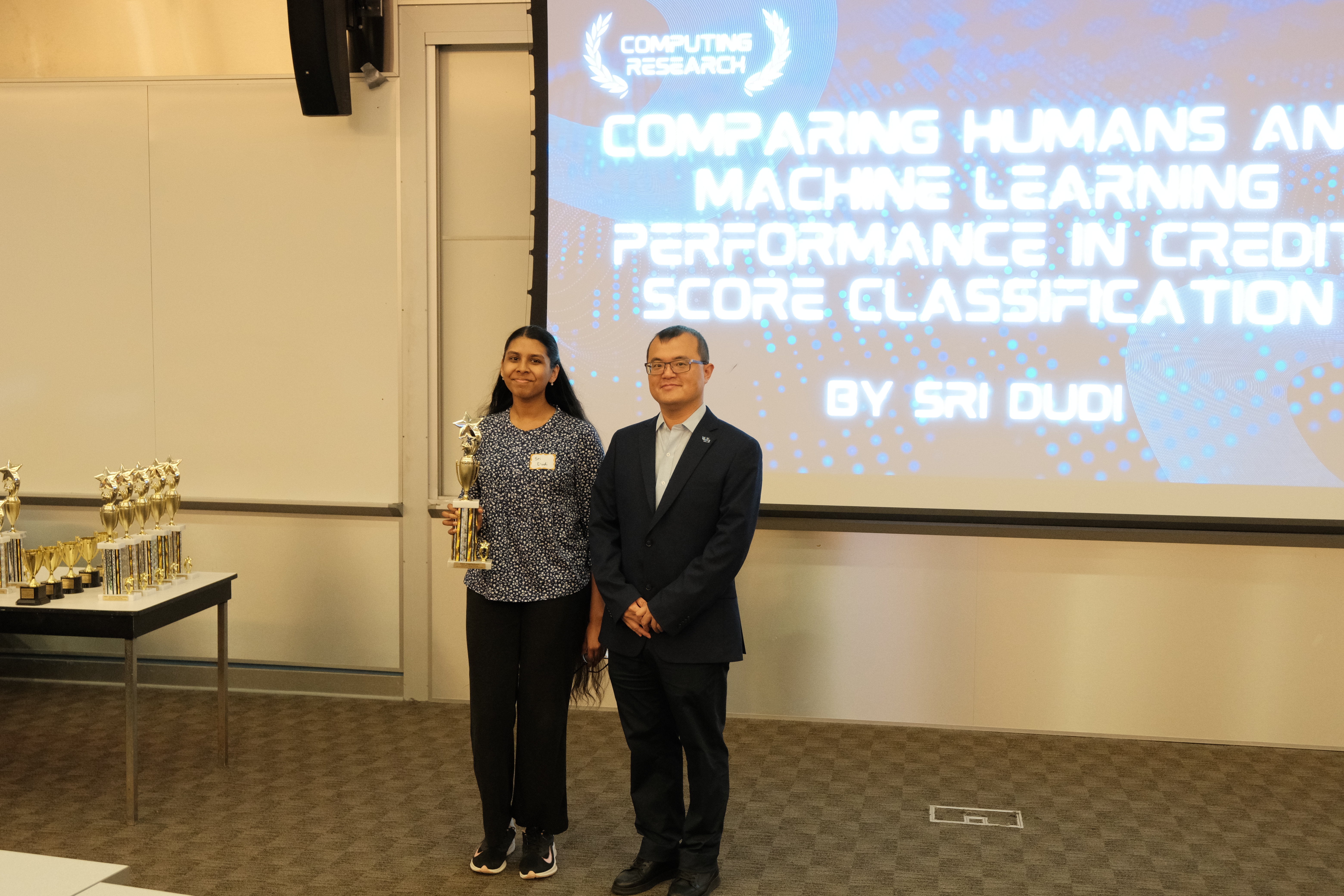
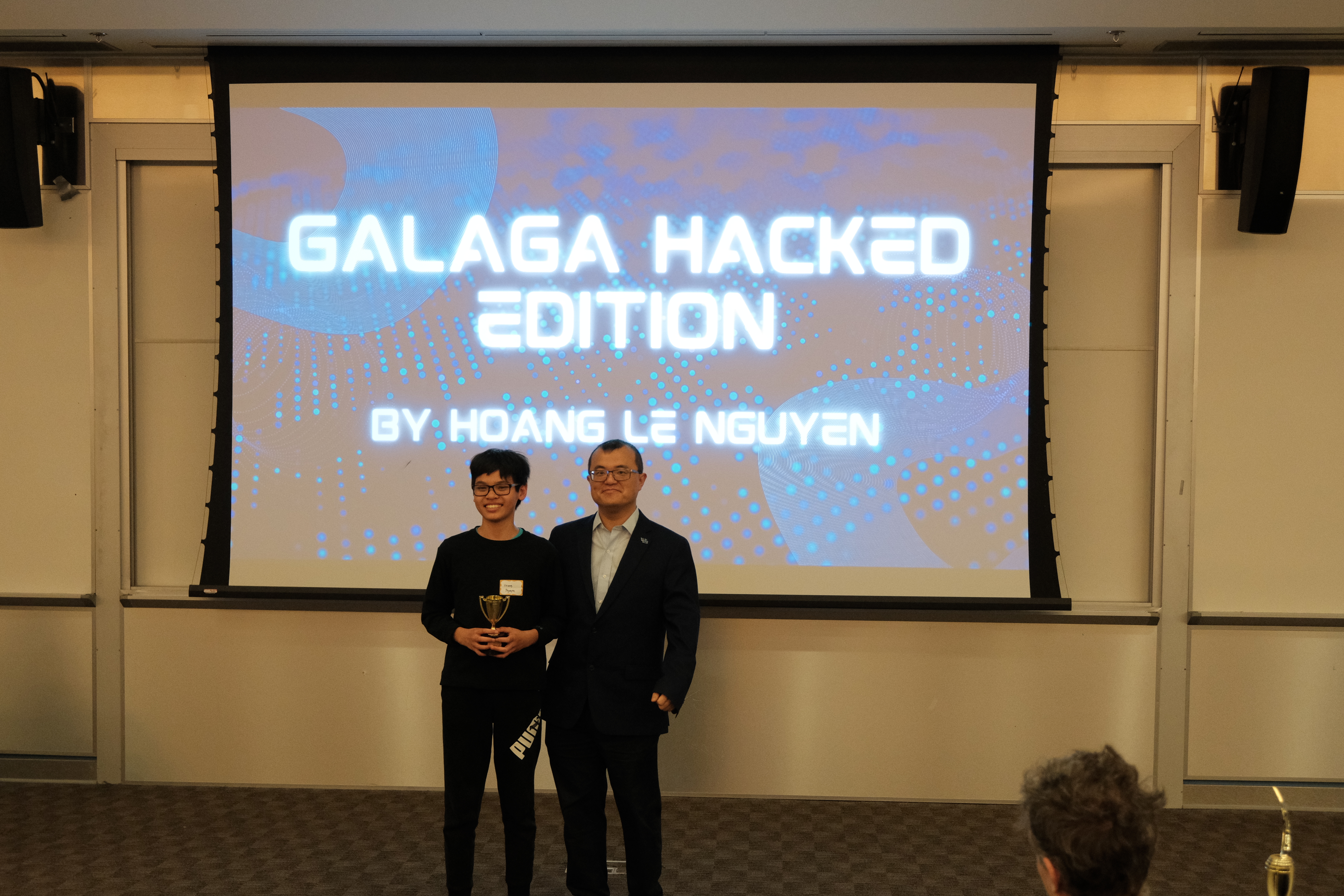
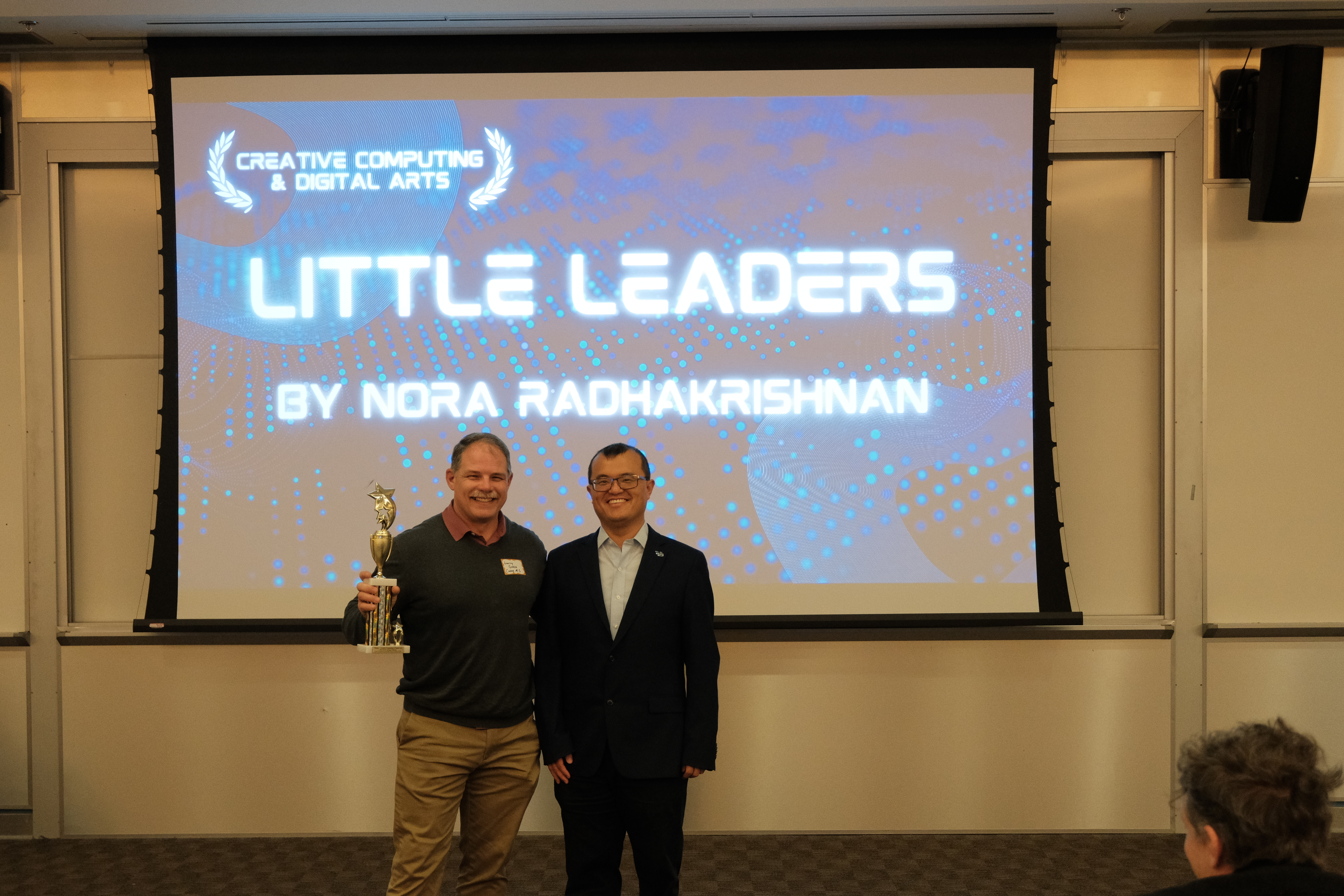
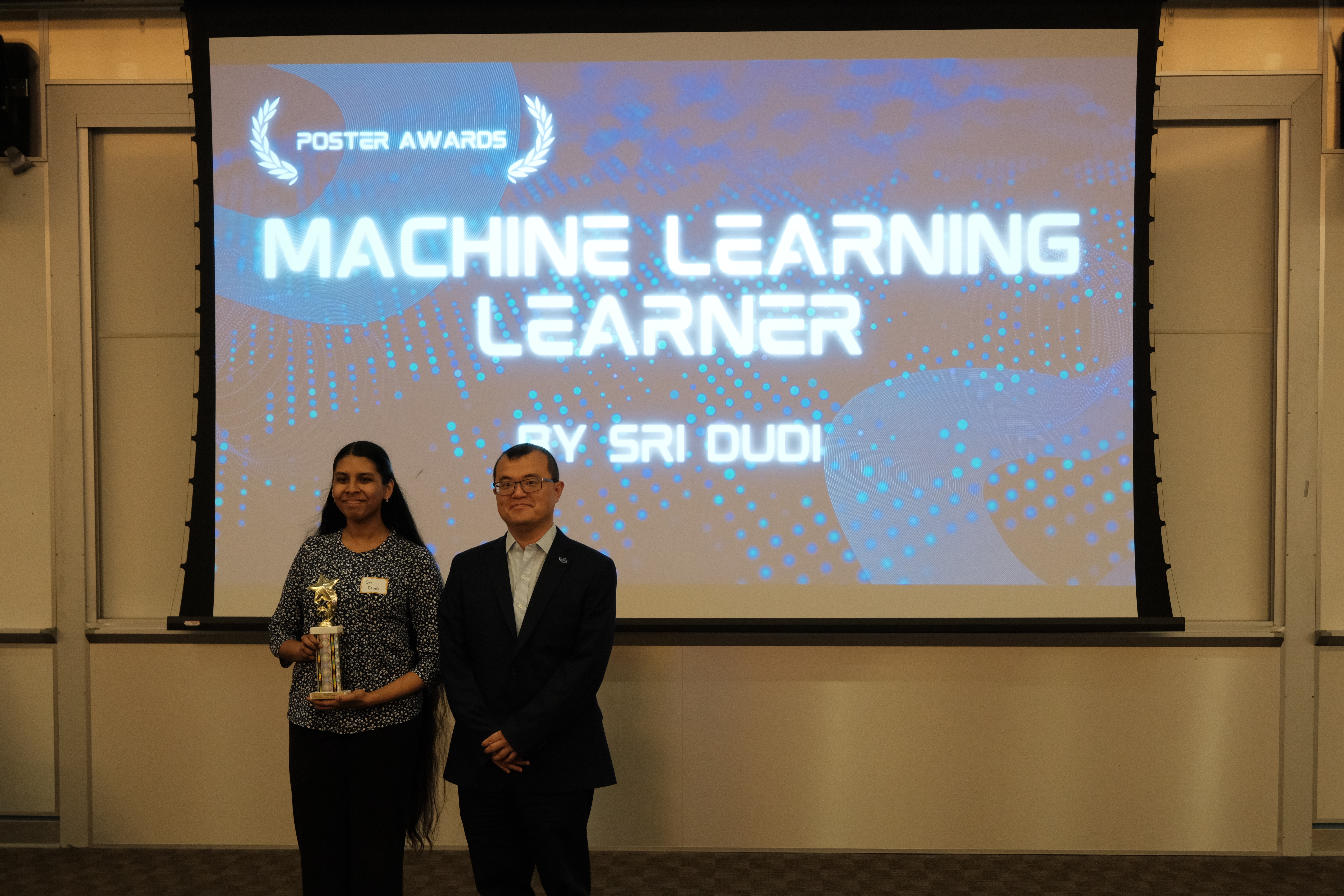
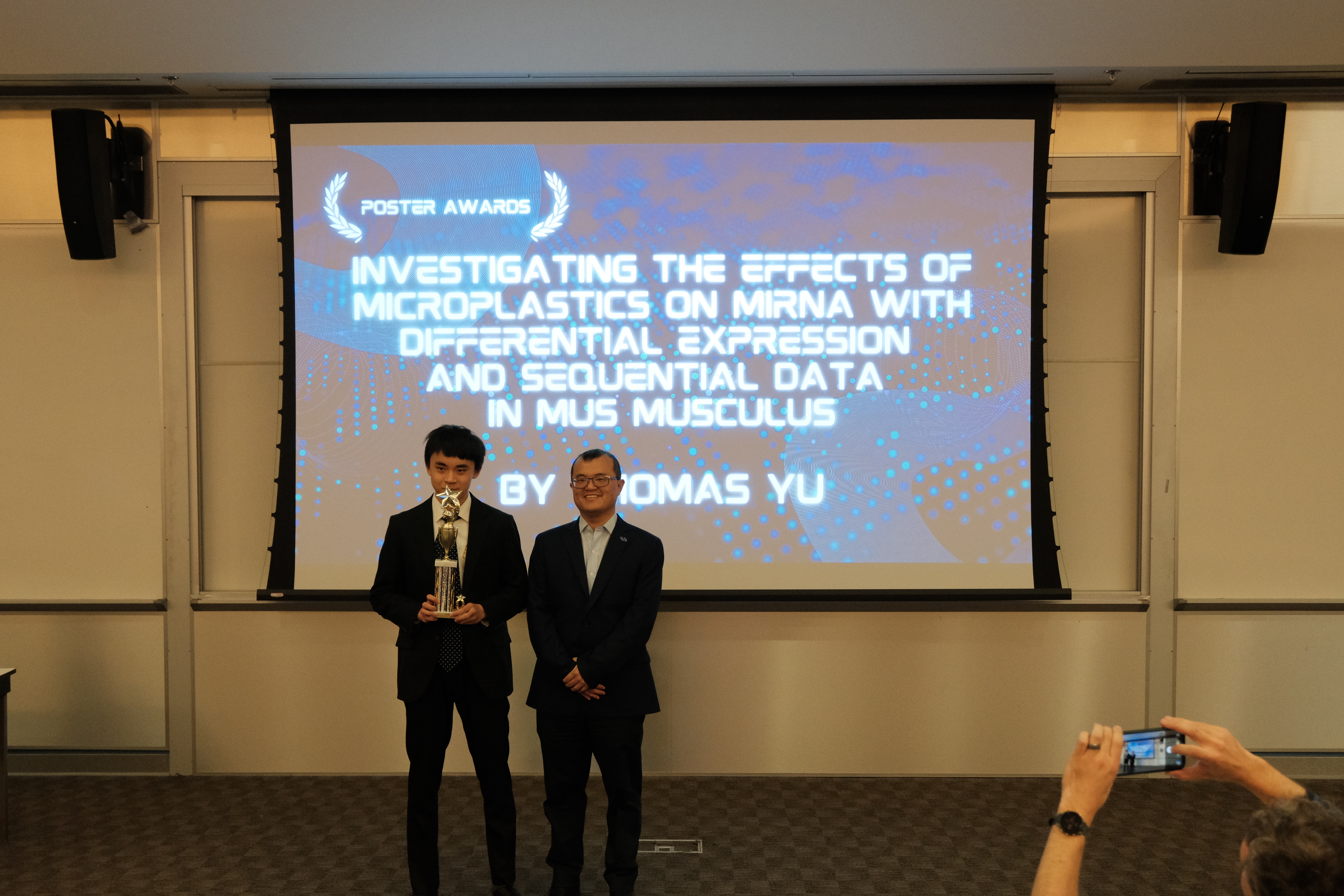
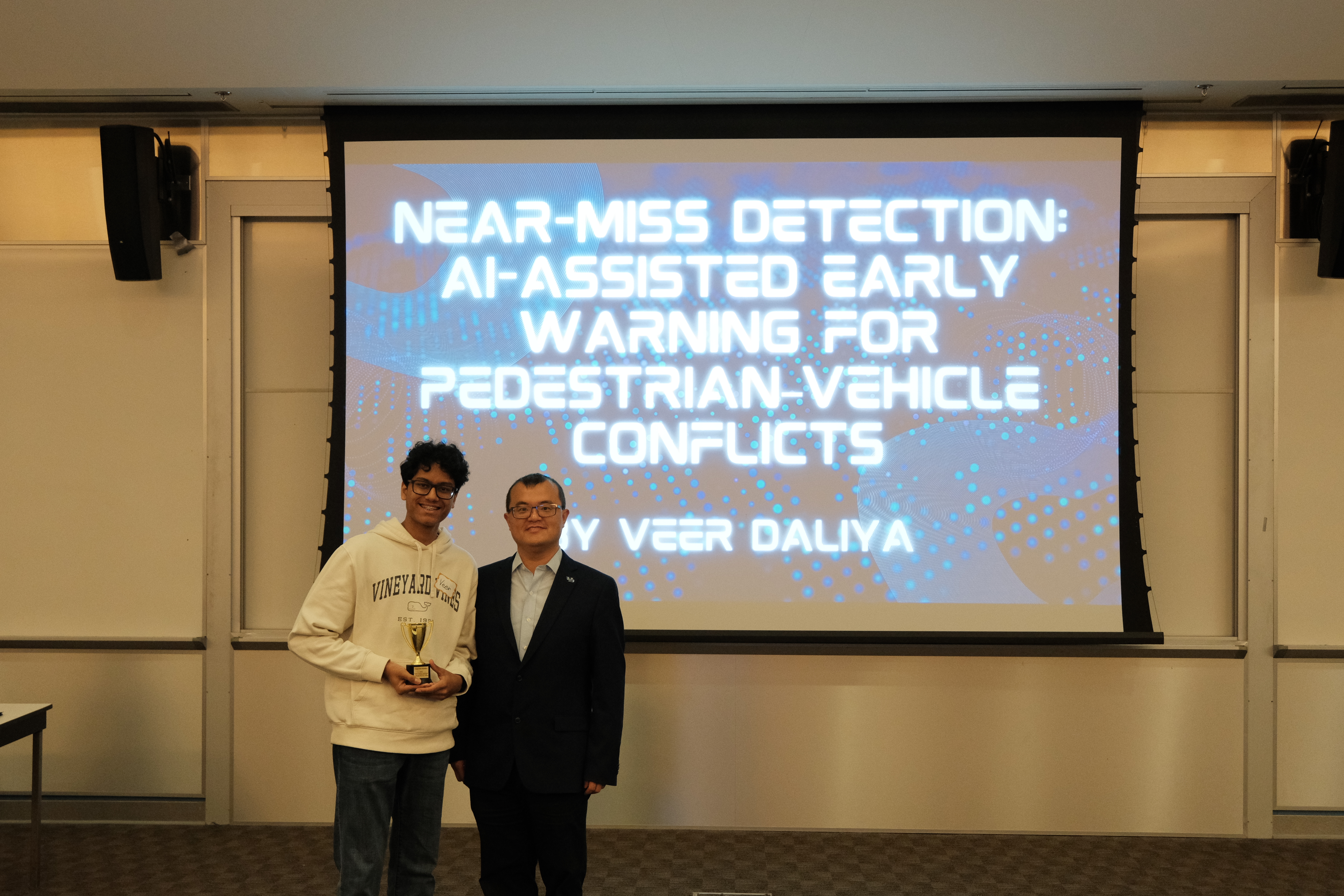
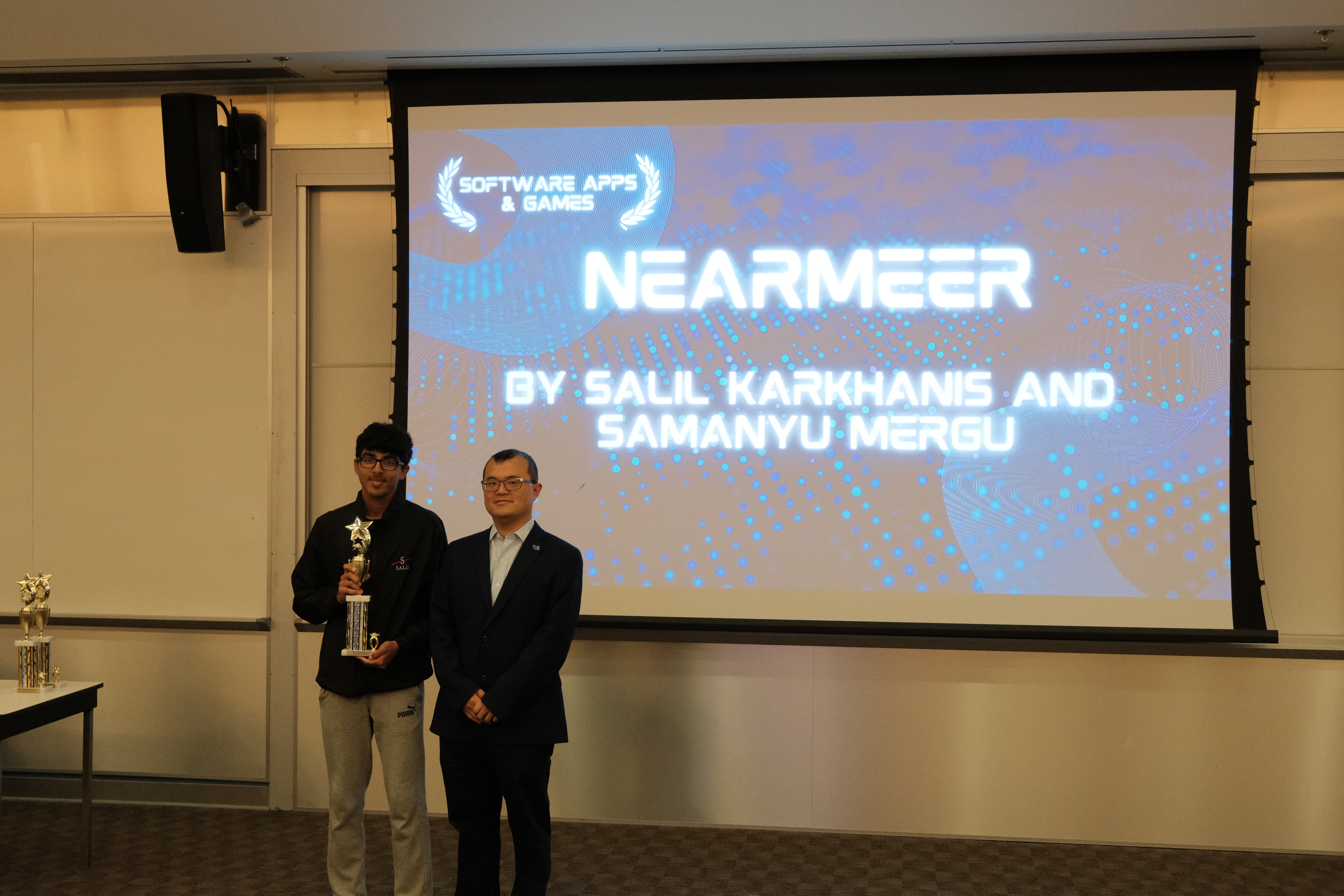
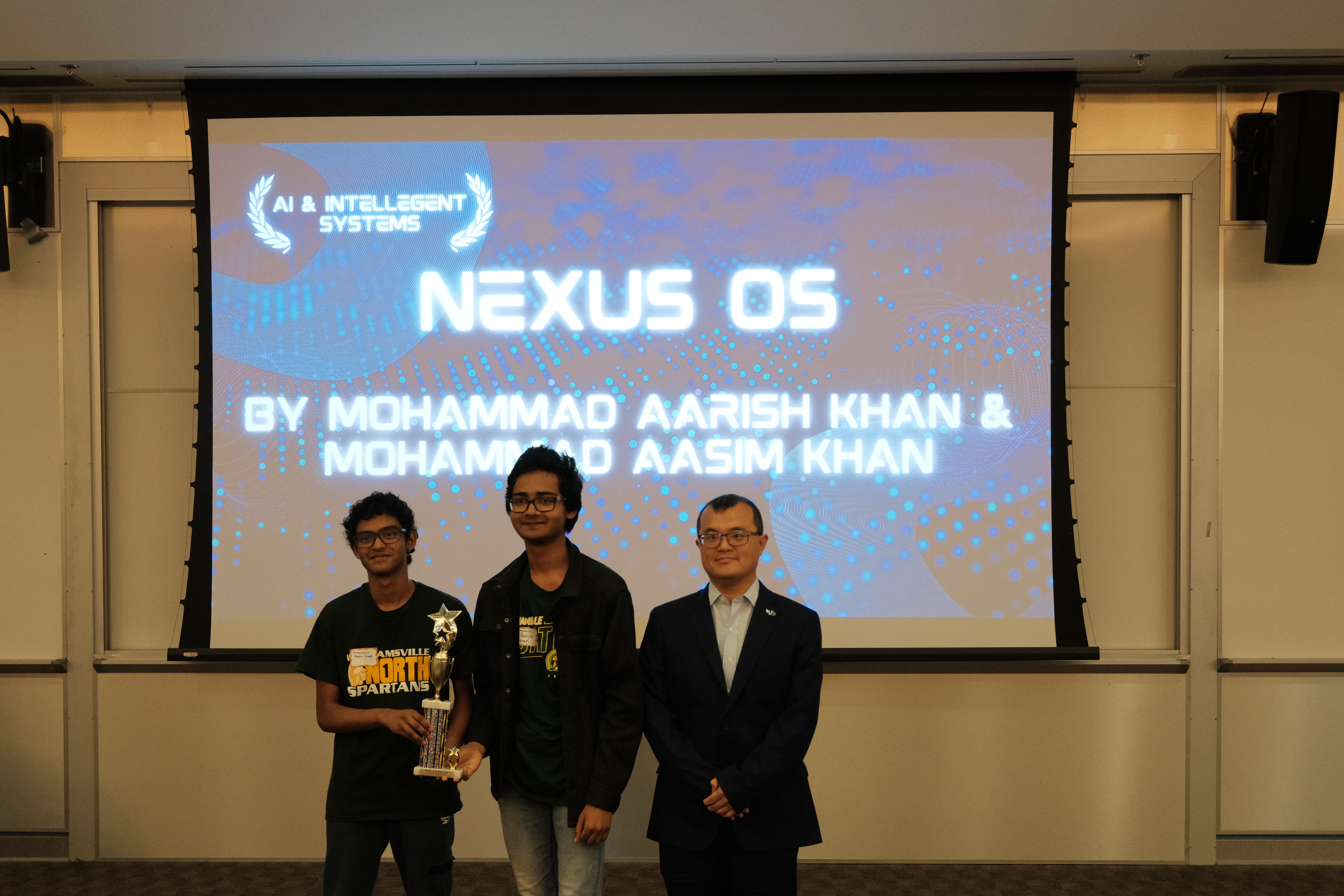
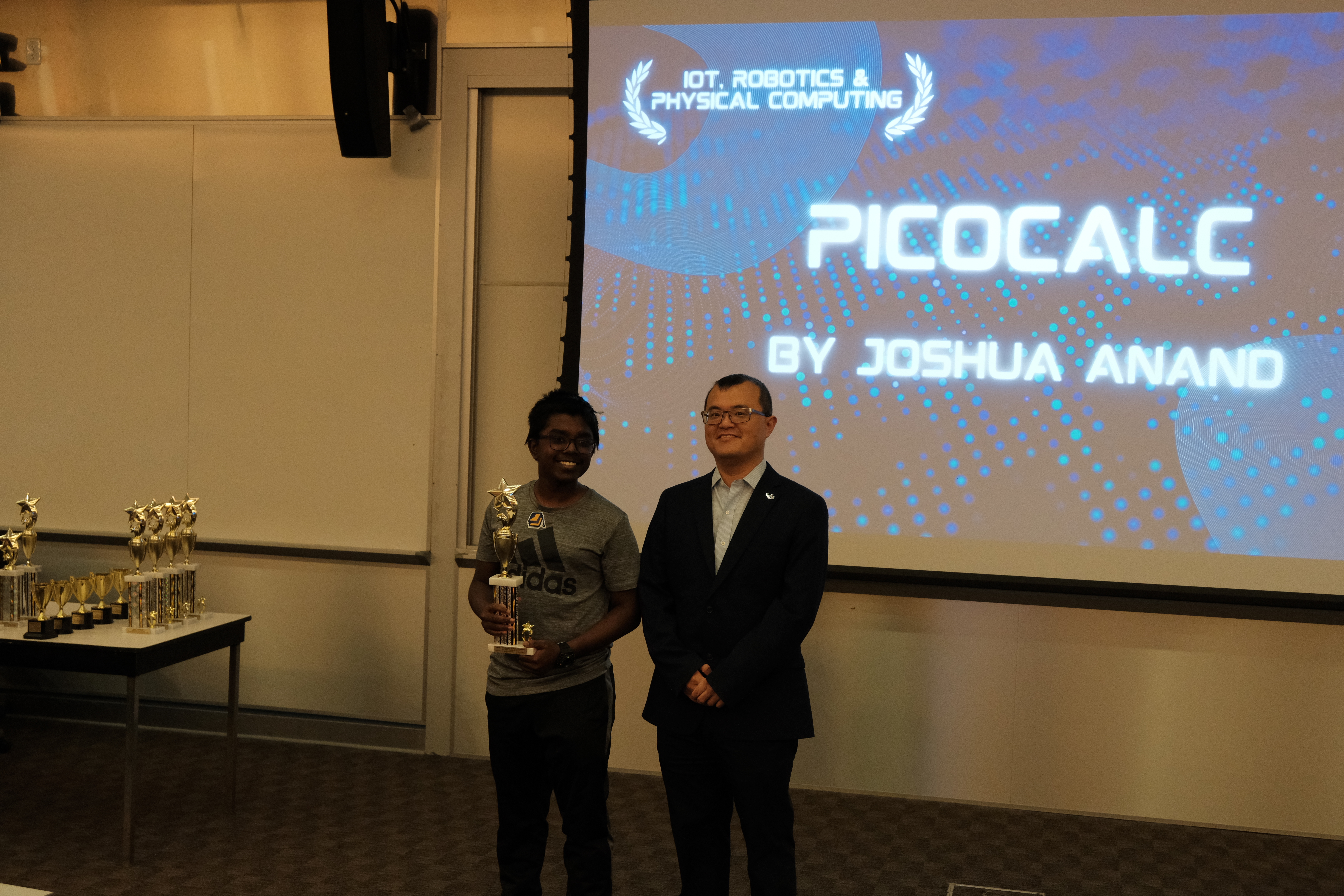
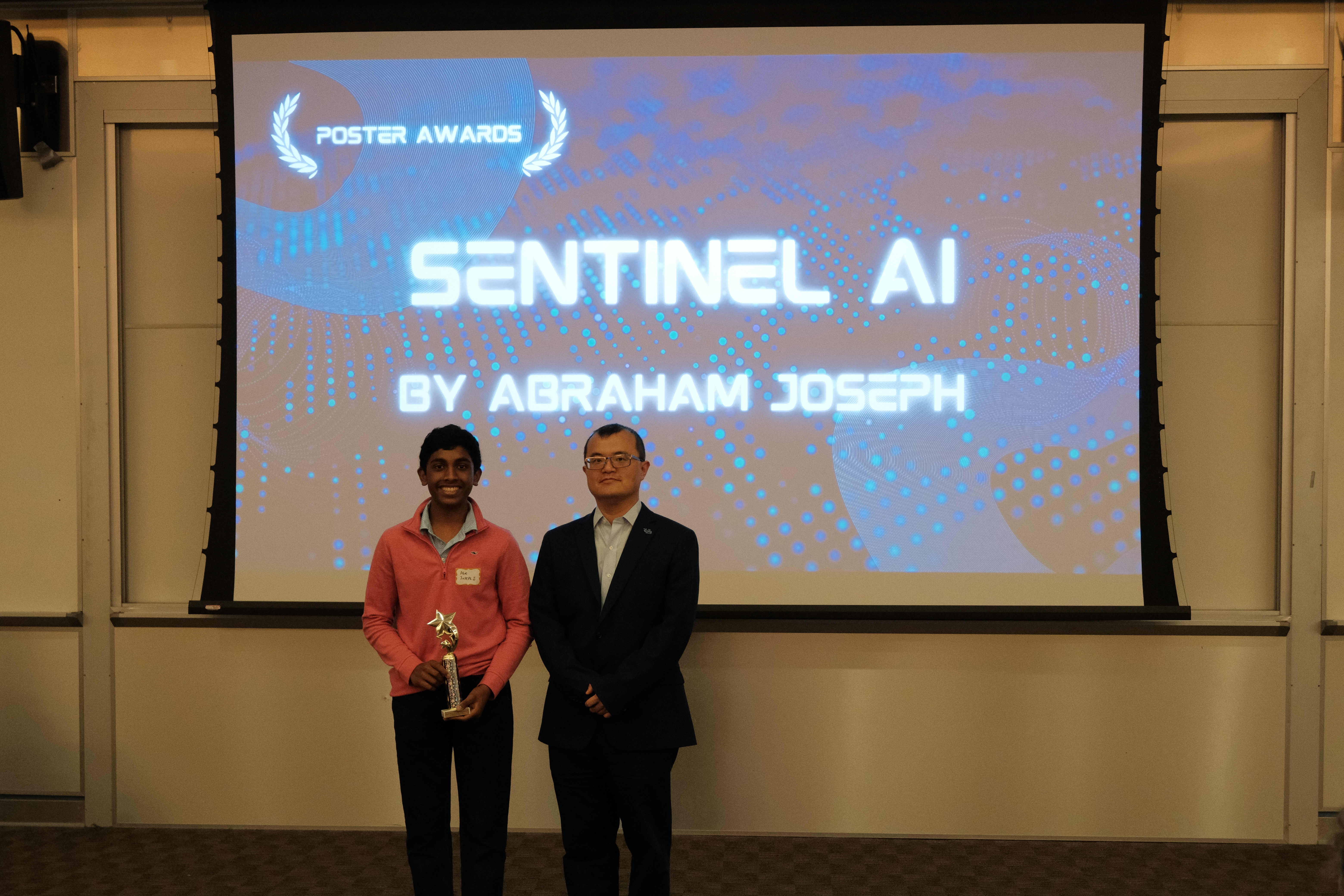
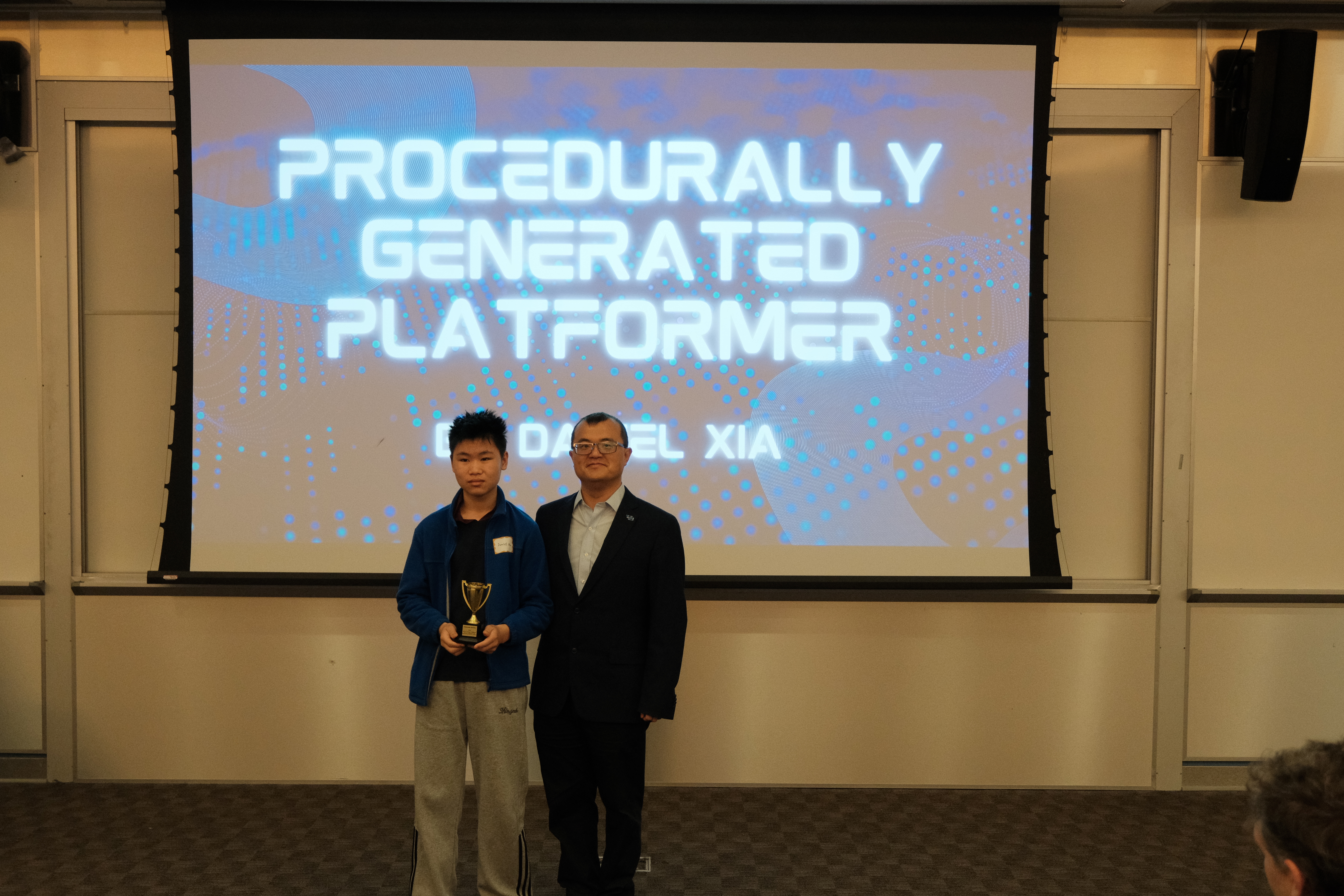
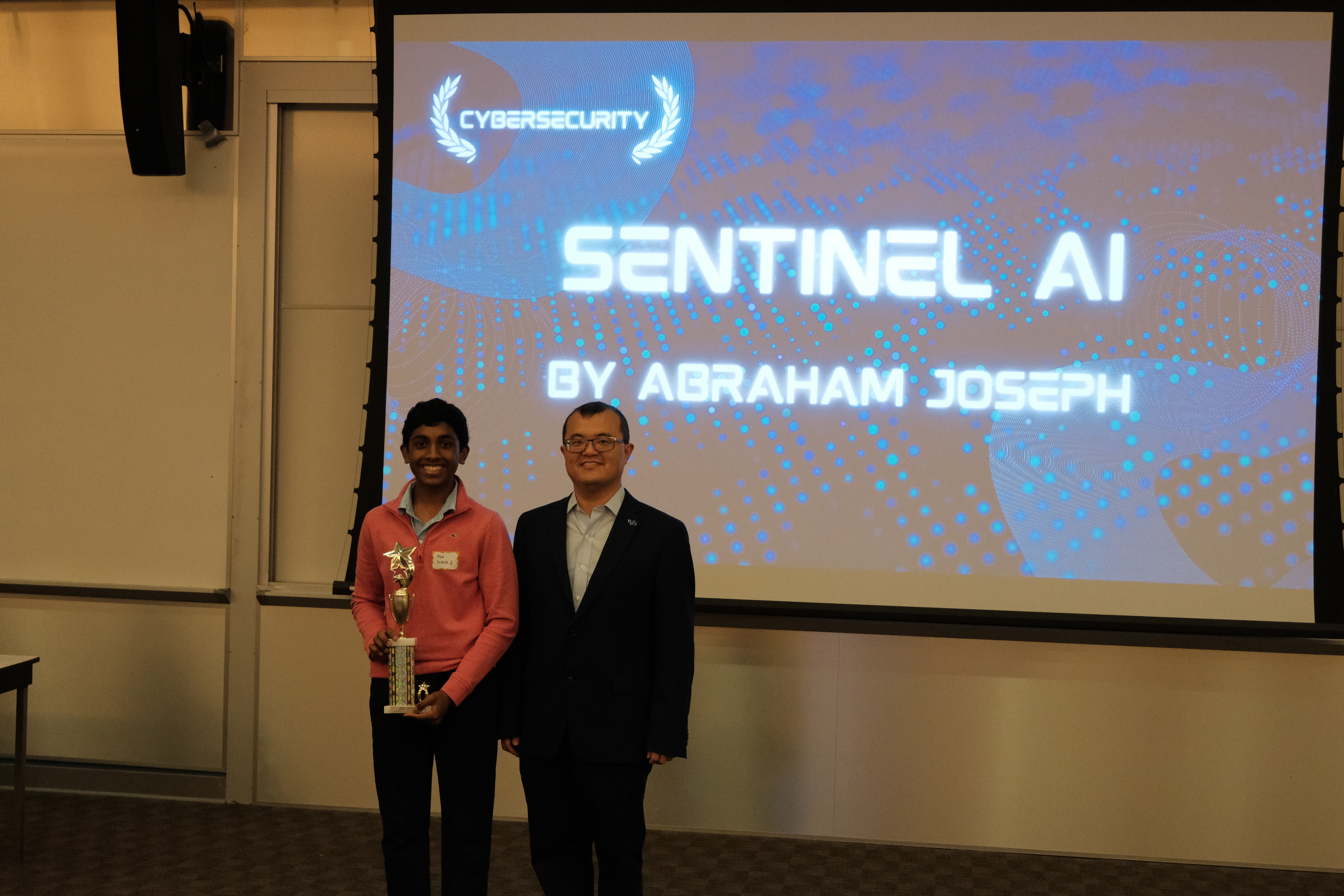
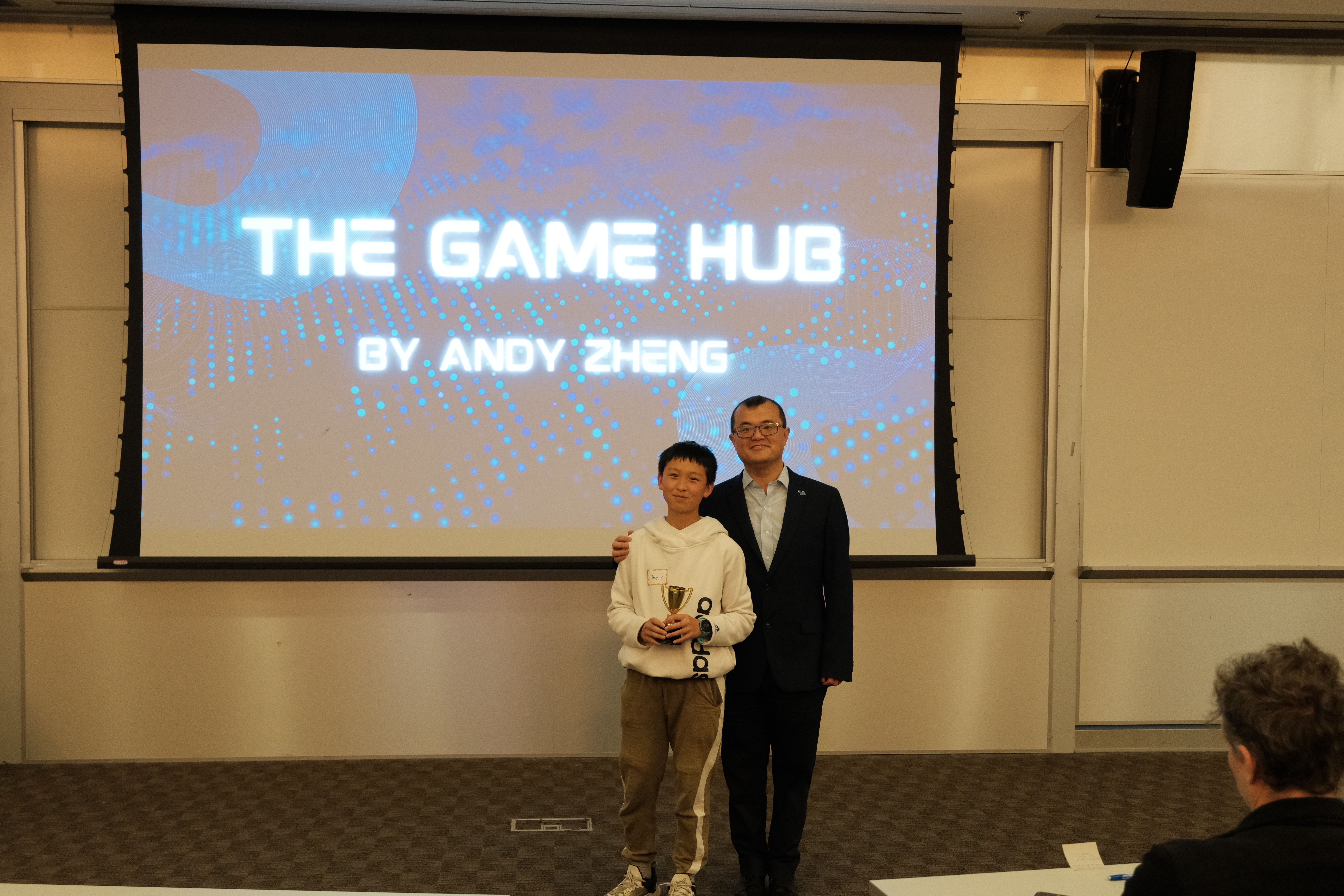
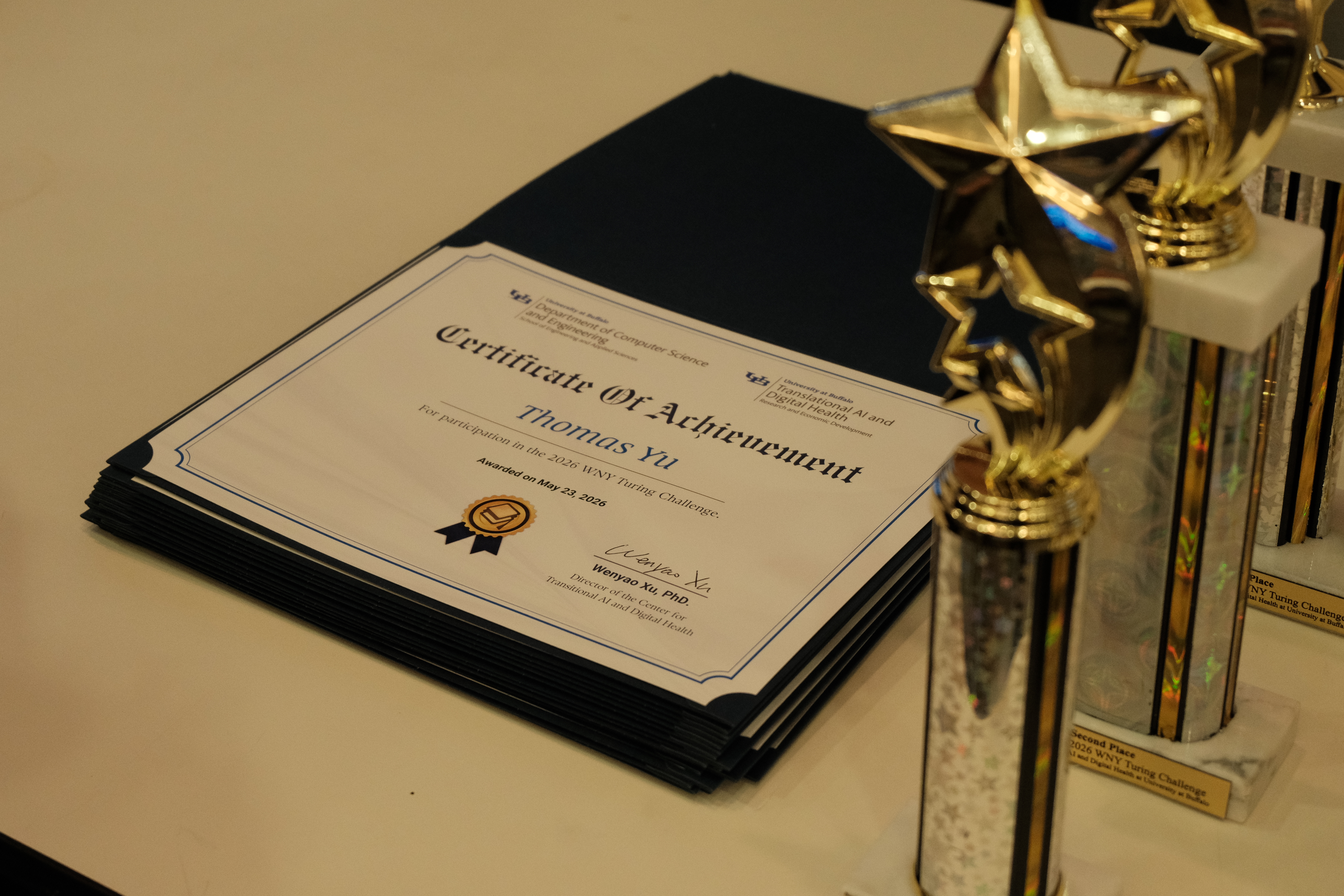
The afternoon Award Ceremony brought the competition season to a close, naming six Turing Challenge category winners, five honorable mentions, and the top three finishers of the Poster Competition. Every participating team received an official certificate of achievement — a reflection of the challenge's broader purpose: to recognize effort and curiosity alongside competitive outcomes, and to give students at every level a stake in the work of computing.
Looking Ahead
Looking ahead, organizers say the international reach of this year's challenge, points to a competition still finding the full extent of its audience. "This is more than a competition," said Dr. Wenyao Xu, Director of the Center for Translational AI and Digital Health. "It is a talent pipeline, a community, and an invitation — to explore, to connect, and to see yourself as part of the story of computing innovation being written here in Buffalo."
The 2027 WNY Turing Challenge is expected to open for submissions in spring.
Have a question? Contact us at k12-computing@buffalo.edu